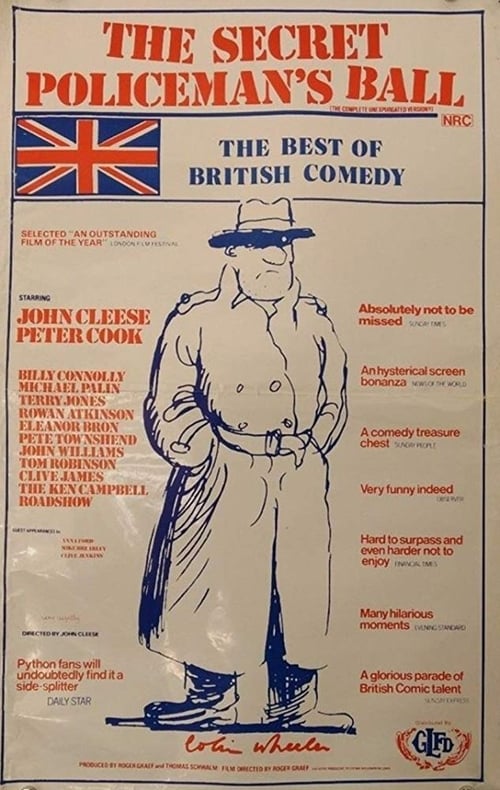
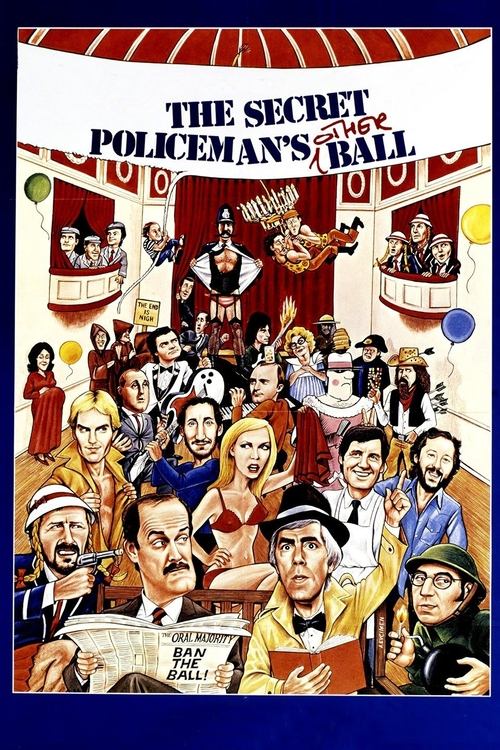
The Secret Policeman's Ball
1979
No user ratings available yet
Representation score: 6.1 out of 10
Representation Score
Fair
1982
RDirector
Julien Temple
Runtime
90 minutes
Average Rating
No ratings yetNew Showbiz Analysis
The film functions as a strong piece of activist media, repurposing the variety format for political critique. It effectively uses satire to advocate for human rights and challenge institutional authority. Demographic diversity is constrained by the historical context of the 1980s UK talent pool. The cast is predominantly white and male-centric, although female comedians provide a necessary disruption to the status quo. Ultimately, the production's strength lies in its cultural mission. By focusing on Amnesty International, it excels in critiquing systemic oppression and state-sponsored violence.
Category Breakdown
The variety show format doesn't allow for deep exploration of LGBTQ+ identity. Alternative comedians like Alexei Sayle bring subversive humor, but there are no explicit critiques of straight relationships.
Female comedians such as Victoria Wood and Pamela Stephenson offer moderate inclusion. Their presence challenges the male-dominated Oxbridge comedy tradition, providing more nuanced perspectives in the sketches.
The cast mainly includes white British performers, reflecting the UK comedy and rock scenes of the early 1980s. Political satire is the focus rather than diverse demographics.
The film highlights Amnesty International, using satire to challenge state power and institutional corruption. It emphasizes global humanitarian efforts and critiques systemic oppression over nationalist values.
There is no notable portrayal of visible or invisible disabilities. The production focuses on musical and comedic variety performances.
Present on Screen
Limited or Absent
Official Synopsis
Following the success of the 1979 show and the financial benefits accruing to Amnesty from the spin-off movie, TV special and record albums – Cleese, Lewis and Walker planned the next show to be a more spectacular event. Cleese focused on broadening the comedic talent to be presented at the show. In addition to the Amnesty show stalwarts drawn from the Oxbridge/Monty Python/Beyond The Fringe orbit, he invited newcomers such as Rowan Atkinson’s colleagues from the BBC TV show Not the Nine O'Clock News including Pamela Stephenson and Griff Rhys Jones; comedian Victoria Wood and regional comic Jasper Carrott. Lewis secured a return appearance by Billy Connolly and a debut appearance by "alternative" comedian Alexei Sayle who Lewis had recently discovered and was managing. Building on the success of Pete Townshend's 1979 appearance Lewis recruited other rock musicians to perform at the 1981 show including Sting, Phil Collins, Eric Clapton, Jeff Beck, Donovan and Bob Geldof.
1979
1978
2003
1965

1987
2012

1992
1999
No reviews yet. Be the first to share your thoughts on this movie!
Use the rating form above to leave a star rating and optional review.