
Catch It
2015
No user ratings available yet
Representation score: 2.5 out of 10
Representation Score
Minimal
2008
TV-GDirector
Julien Bocabeille, François-Xavier Chanioux, Olivier Delabarre, Thierry Marchand, Quentin Marmier, Emud Mokhberi
Runtime
2 minutes
Average Rating
No ratings yetNew Showbiz Analysis
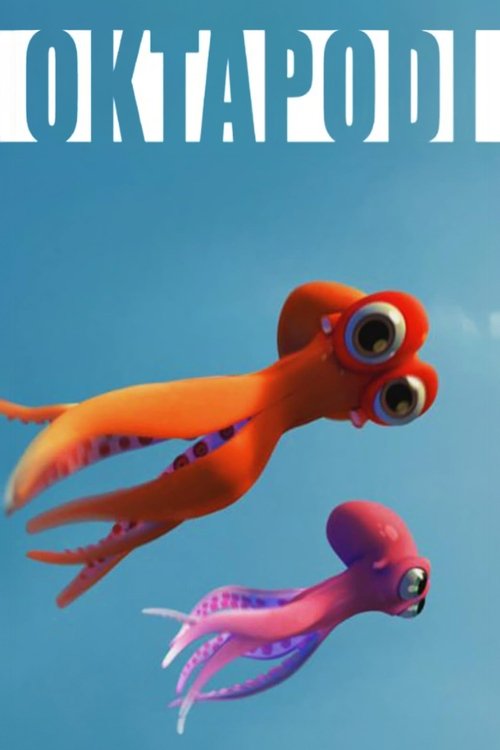
Oktapodi is a kinetic, short-form animation that prioritizes slapstick humor and physical action over social commentary. The narrative follows two octopi trying to survive a chase through a Greek village, driven by a culinary conflict with a human antagonist. While the non-human protagonists provide a unique perspective, the film does not engage with complex identity politics. The lack of depth regarding gender, race, or orientation keeps the focus strictly on the immediate action. Ultimately, the work functions as a traditional comedic short. It lacks a deliberate pattern of characters who reflect more than one aspect of diversity or any meaningful subversion of conventional social structures.
Category Breakdown
The film does not include any characters with LGBTQ+ identities or non-cisgender traits. The story revolves around a chase sequence.
The story centers on a traditional conflict between a stubborn restaurant cook and another character. The narrative does not challenge or deconstruct traditional gender roles.
The setting is a small Greek village, providing a specific Mediterranean cultural context. However, it is unclear if the characters challenge or reinforce ethnic homogeneity.
The plot explores themes of survival and consumption through a culinary conflict. It functions as a slapstick comedy without critiquing social or religious institutions.
There are no characters with visible or invisible disabilities. The focus remains on the action between the octopi and the cook.
Present on Screen
Limited or Absent
Official Synopsis
Two Octopi fight for their lives with a stubborn restaurant cook in a comical escape through the streets of a small Greek village.
2015
2009
2015

2017

2014

2017

2010
1976
No reviews yet. Be the first to share your thoughts on this movie!
Use the rating form above to leave a star rating and optional review.