
Trust Me
1989
No user ratings available yet
Representation score: 0.6 out of 10
Representation Score
Limited
1994
RDirector
Bob Wyatt
Average Rating
No ratings yetNew Showbiz Analysis
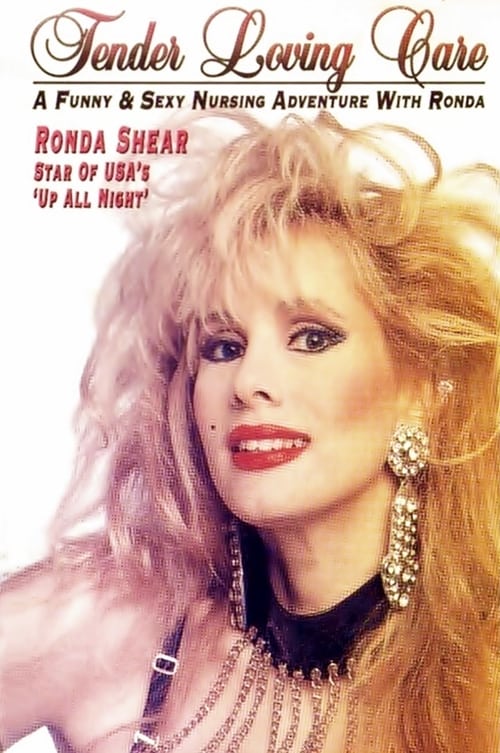
Tender Loving Care opens on the glossy, clinical surface of a hair restoration clinic, a setting that promises medical precision but delivers only soft-core eroticism. Directed by and starring Bob Wyatt, the film uses the clinic as a stage for Rhonda Shear’s body, which serves as the primary commodity. The narrative argues that intimacy is a transactional exchange, where emotional validation is purchased through sexual access. The sold meaning is that female sexuality is a resource to be managed, with the male characters positioned as passive observers or inept participants in this economy of desire. The film’s internal logic is thin, relying on the interchangeable nature of its supporting cast to validate the protagonist’s conquests. There is no development of character beyond their physical presence; the nurses and patients are archetypes rather than individuals. The ending resolves not with emotional depth but with a return to the status quo of transactional satisfaction, leaving the characters isolated in their physical fulfillment. This 1994 independent production reflects the era’s soft-core trends, where the body is the plot and the clinic is merely a prop. The camera loves the spectacle of the female form, but it withholds any genuine human connection, reducing the title’s promise of "tender loving care" to a hollow, ironic label for a series of sexual encounters.
Category Breakdown
No queer characters or same-sex intimacy appear. The narrative relies exclusively on heterosexual pairings and transactional sexual encounters between the cast members.
Rhonda Shear anchors the film as the sexual spectacle, with the camera lingering on her body. Women function primarily as objects of desire or emotional labor, lacking professional competence beyond their physicality.
The cast is entirely white, reflecting the narrow demographic of 1990s soft-core productions. No non-white characters appear, and race is not addressed or acknowledged within the narrative.
The film treats marriage and traditional family structures as irrelevant, focusing instead on fluid, transactional intimacy. Religious or national institutions do not appear; the moral framework is purely secular and individualistic.
No characters display physical, mental, or sensory impairments. The medical setting of a hair restoration clinic serves only as a backdrop for sexual encounters, not as a site of disability representation.
Present on Screen
Limited or Absent
Official Synopsis
A hair restoration doctor whose fresh-out-of-school nurses help him attract and maintain a clientele. The director plays a guy who wants to get the doctor evicted, and Rhonda Shear plays his dominatrix girlfriend.
1989

2000

2012
2004
2001

2000

2004

2001
No reviews yet. Be the first to share your thoughts on this movie!
Use the rating form above to leave a star rating and optional review.