
You & I
2014
No user ratings available yet
Representation score: 5.0 out of 10
Representation Score
Limited
2003
NRDirector
Jürgen Brüning
Runtime
80 minutes
Average Rating
No ratings yetNew Showbiz Analysis
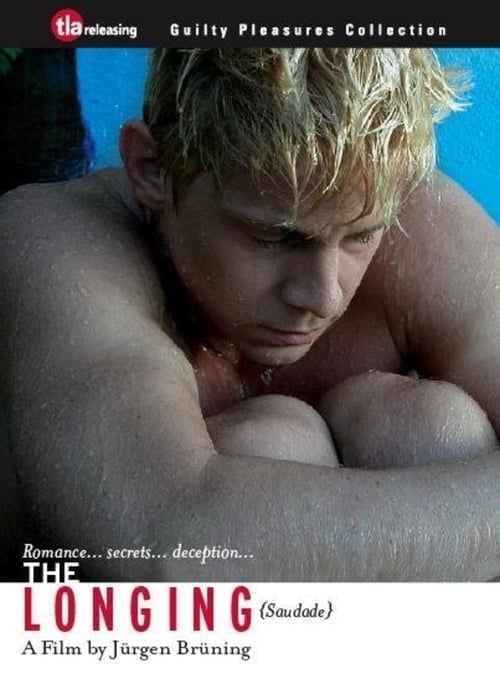
The Longing is a character-driven drama centered on three male friends reconnecting in Brazil. The film uses its South American setting to explore the friction between Western identities and a new cultural environment. While the male-centric ensemble provides space to deconstruct traditional masculine archetypes, the narrative lacks explicit evidence of diverse identity-driven plot drivers. The focus remains primarily on interpersonal dynamics and personal growth. Ultimately, the film functions as a traditional character study. It offers potential for cultural exploration through its setting but lacks a high-level integration of intersecting identities.
Category Breakdown
The film centers on a male friendship group, providing a framework for exploring non-traditional intimacy. However, there is no explicit confirmation of queer identities or non-straight storylines.
The narrative focuses on a male-centric ensemble. While this allows for exploring masculine vulnerability, the absence of female characters suggests a reliance on traditional gender perspectives.
Setting the story in Brazil provides an opportunity to explore cultural differences. The displacement of the protagonists to a South American context allows for tension between Western identities and local environments.
The focus on inner conflicts and past experiences suggests a lean toward psychological realism. The unstructured summer in Brazil hints at a departure from strict social norms.
The narrative does not mention characters facing physical, neurodivergent, or mental health challenges.
Present on Screen
Limited or Absent
Official Synopsis
Cyrus, Tim and Erik were high school buddies and meet again ten years later. They spend the summer together in Brazil. All of them are occupied in dealing with experiences from their past but new developments make them face their inner conflicts and their friendship with each other
2014

2010

2007

2001

2014

2011

1998

2014
No reviews yet. Be the first to share your thoughts on this movie!
Use the rating form above to leave a star rating and optional review.