
The Green Ray
2017
No user ratings available yet
Representation score: 0.6 out of 10
Representation Score
Fair
2013
NOT RATEDDirector
Scott Shaw
Runtime
66 minutes
Average Rating
No ratings yetNew Showbiz Analysis
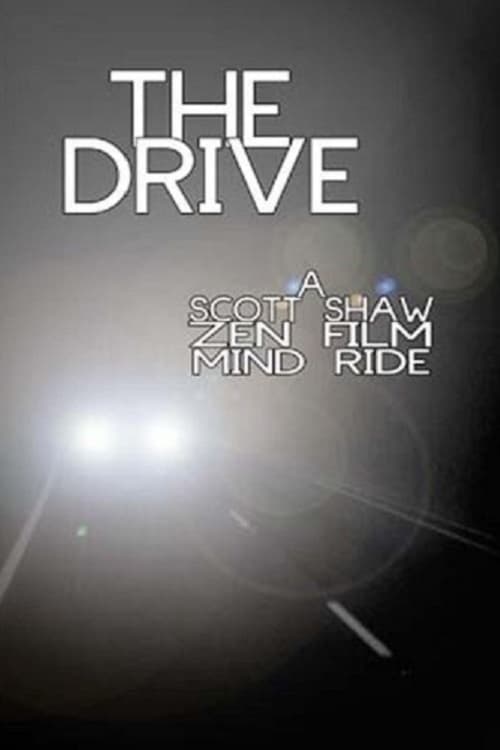
The Drive is an experimental, non-narrative work that prioritizes 'Zen Filmmaking' over traditional character arcs. By rejecting standard plot mechanics, it inherently disrupts the clichés used to measure social representation. By abandoning character-driven storytelling, the film avoids systemic biases often found in conventional scripts. It doesn't provide a platform for explicit characters who reflect more than one aspect of diversity, but it offers a structural disruption of mainstream cinematic norms. Ultimately, the film's diversity profile is defined by its refusal to engage with traditional social hierarchies. Its value lies in its commitment to an abstract, non-Western philosophical approach to the medium.
Category Breakdown
The film's non-narrative structure doesn't show specific romantic or identity-based relationships. It avoids negative stereotypes but doesn't center LGBTQ+ stories either.
The film doesn't have clear characters or plots, so it doesn't establish or challenge gender hierarchies. By removing social structures, it avoids common gender stereotypes.
The focus on visual textures and sensory experiences suggests a move away from demographic-driven casting. There's no evidence of whitewashing, but the lack of a narrative makes it hard to assess multi-layered depth.
The work challenges Western cinematic conventions by emphasizing Zen principles and non-narrative abstraction. This rejection of standard storytelling critiques the structured logic found in mainstream media.
The abstract nature of the work doesn't show any evidence of physical or neurodivergent identities.
Present on Screen
Limited or Absent
Official Synopsis
Take a drive into the all too real abstract realms of Cinematic Reality as you ascend into the next evolution of Zen Filmmaking, the Non-Narrative Zen Film.
2017
2016
2016
2004
2011
2009
2016
2001
No reviews yet. Be the first to share your thoughts on this movie!
Use the rating form above to leave a star rating and optional review.