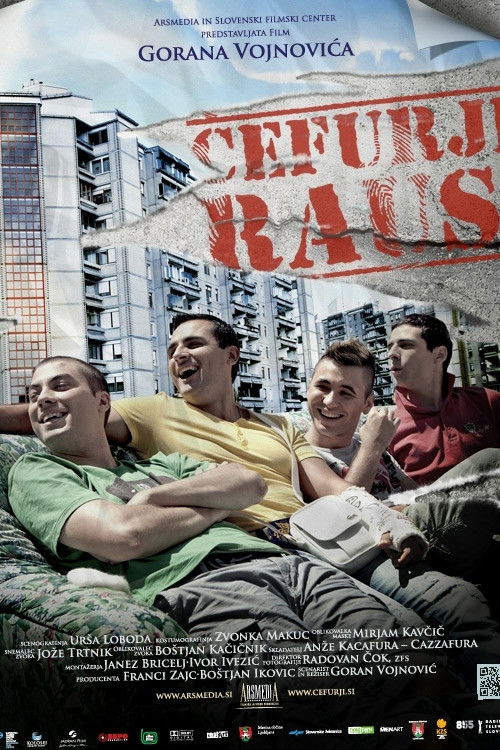
Chefurs Raus!
2013
No user ratings available yet
Diversity score: 4.5 out of 10
2012
Director
Simon Bennett
Runtime
92 minutes
Average Rating
No ratings yetSynopsis
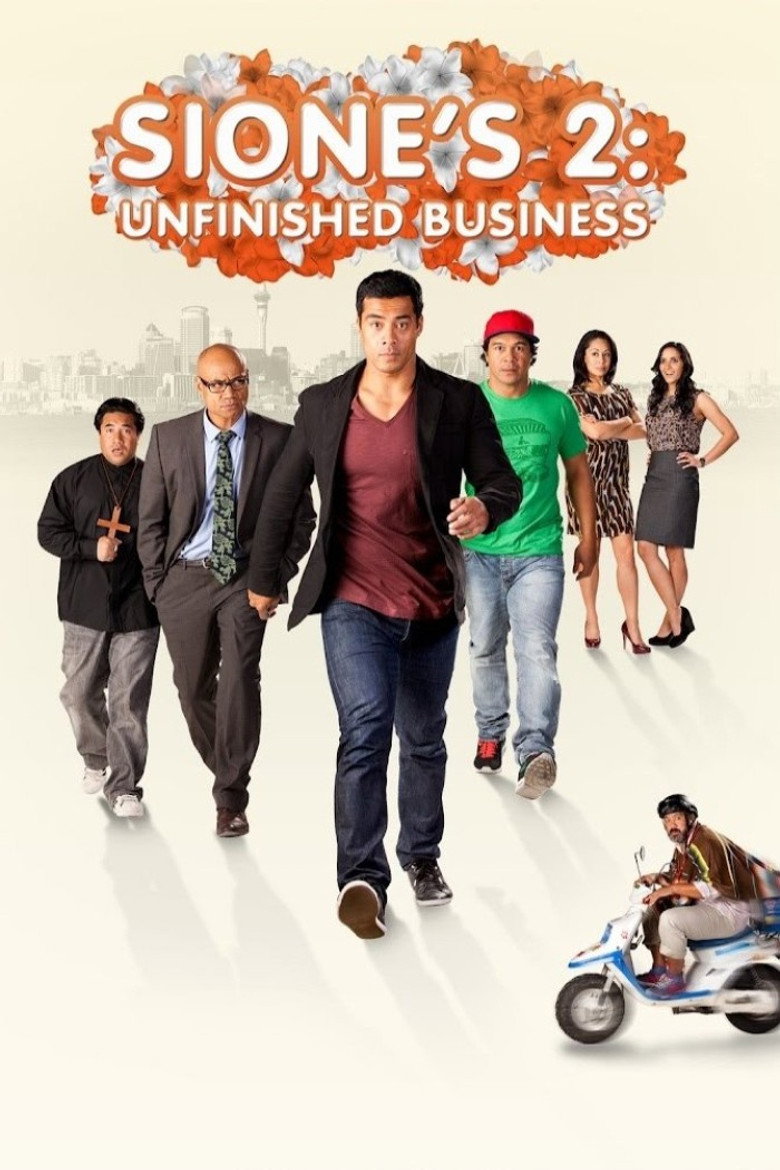
Fast-forward five years and things havent quite gone as the boys might have planned: Albert is now married to Tania and they are living in suburbia, both working in insurance and also trying (unsuccessfully) to have a baby; Sefa and Leilani are still together and now have two kids although despite Sefas proposal, theyre still not married. And while Sefas business is falling apart, Leilani seems to be living life to the full; Stanley is now a trainee Deacon in the Future Church; Michael has moved to Australia but the boys dont hear from him often; and Bolo has thrown in his job with Sefa and taken up work with Sione, Michaels younger brother.
Overall Score
Fair
Category Breakdown
LGBTQ+ Representation
The film operates within a traditional romantic framework. It focuses on established domestic pairings and heteronormative pursuits rather than exploring queer identities or same-sex intimacy.
Gender Representation
The story follows a male-centric buddy comedy structure that prioritizes male camaraderie. While women are central to the protagonists' lives, their agency is often tied to their relationships with men.
Racial & Ethnic Diversity
This film disrupts Anglo-centric norms by placing a predominantly Pasifika cast at the center. It uses cultural nuances and community dynamics to move minority voices to the narrative core.
Religious & Cultural Diversity
The narrative explores community through characters like Stanley, a trainee Deacon. It favors situational ethics and communal loyalty over rigid, dogmatic morality or strict social structures.
Disability Representation
There is no significant evidence regarding the portrayal of visible or invisible disabilities within the character descriptions or plot.
Strengths
Areas for Improvement
AI Analysis
Sione's 2: Unfinished Business succeeds as a culturally significant work by radically centering Pasifika identity. By placing Samoan and Pacific experiences at the heart of an urban Auckland setting, it challenges the traditional white-centric gaze of mainstream New Zealand cinema. However, the film remains anchored in conventional social structures. It relies on a male-dominated comedy format and focuses on heteronormative domesticity, which limits its exploration of gender and LGBTQ+ diversity. Ultimately, the film's value lies in its ability to reclaim narrative space for a historically marginalized community, providing a layered and culturally specific viewing experience.
2013

2012
2015
2012
2019

2019
2000
2010

2014
2022
2011

2011
No reviews yet. Be the first to share your thoughts on this movie!
Use the rating form above to leave a star rating and optional review.