James Boys in Missouri
1908
No user ratings available yet
Representation score: 0.5 out of 10
Representation Score
Minimal
1967
GDirector
Robert Siodmak
Runtime
143 minutes
Average Rating
No ratings yetNew Showbiz Analysis
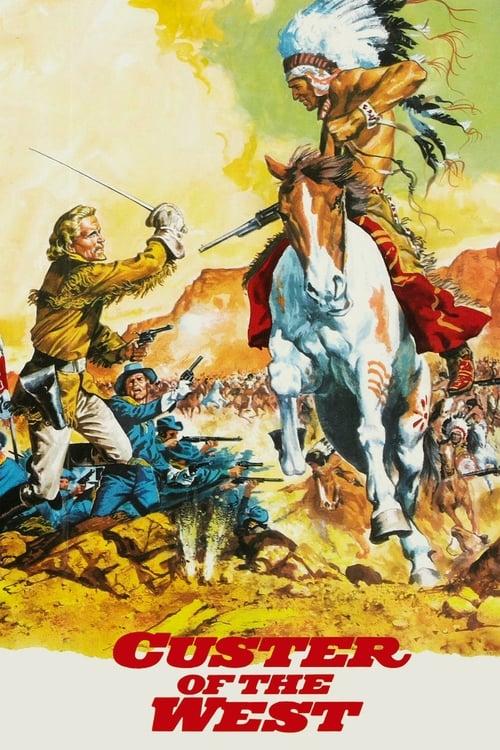
Custer of the West is a traditional 1960s historical epic that upholds the social hierarchies of its era. It follows the conventions of a classic Western, prioritizing military duty and expansionist themes over nuanced character development. The film relies heavily on established clichés, particularly concerning racial and gender dynamics. Native American characters are often portrayed as obstacles to the central military mission rather than fully realized individuals. Overall, the production lacks the intention to question or disrupt the power dynamics it presents, reinforcing the mid-century status quo.
Category Breakdown
The film focuses solely on traditional heterosexual relationships and does not include any characters with non-cisgender identities or same-sex intimacy. It emphasizes conventional romantic pairings and military camaraderie.
Female characters are mainly confined to domestic or romantic roles, serving as support for the male-dominated military storyline that highlights masculine leadership and command.
Native American tribes are represented but primarily as antagonists. While actors such as Chief Dan George bring visibility, the narrative does not provide substantial ability to act or complexity for these groups.
The story upholds mid-century American values, emphasizing patriotism and military authority. It reinforces historical expansionist structures without challenging these dynamics.
There is no representation of characters with disabilities, either visible or invisible, in the film.
Present on Screen
Limited or Absent
Official Synopsis
The story of U.S. Army commander George Armstrong Custer, a flamboyant hero of the Civil War who later fought and was exterminated with his entire command by warring Sioux and Cheyenne tribes at the battle of Little Big Horn in 1876.
1908
1941
2012

2007
1965
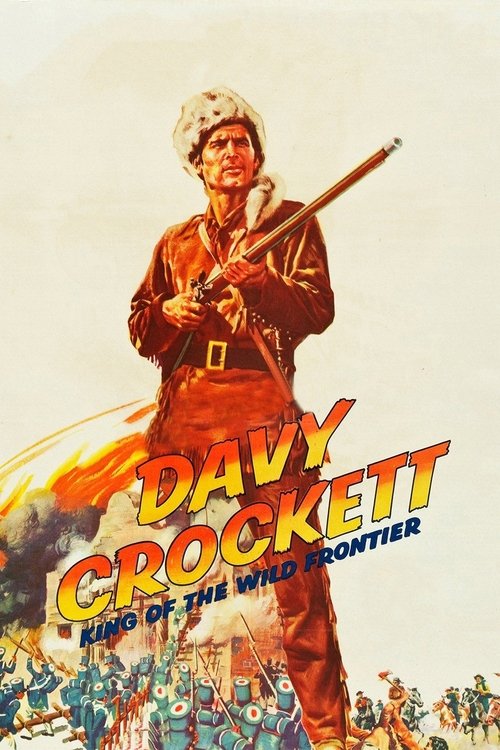
1955
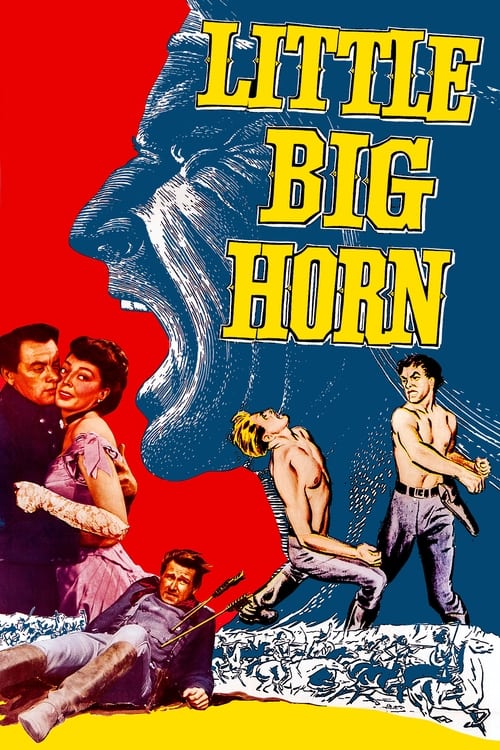
1951
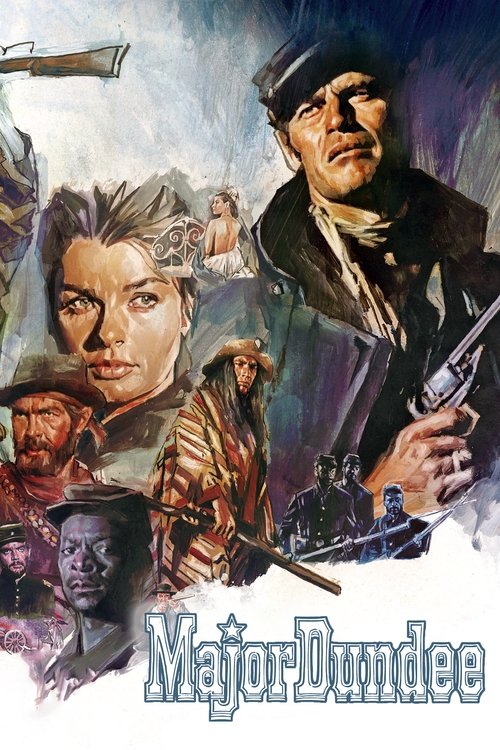
1965
No reviews yet. Be the first to share your thoughts on this movie!
Use the rating form above to leave a star rating and optional review.