The Chair
2007
No user ratings available yet
Representation score: 2.5 out of 10
Representation Score
Fair
2006
RDirector
Ulli Lommel, Jeff Frentzen
Runtime
81 minutes
Average Rating
No ratings yetNew Showbiz Analysis
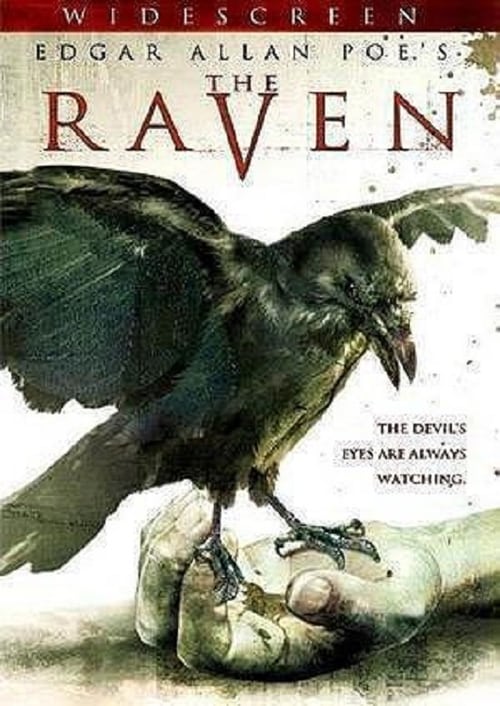
The Raven is a genre-focused psychological thriller that emphasizes atmospheric tension and literary homage over social commentary. It adheres closely to established horror conventions, limiting its depth in addressing multiple aspects of identity. While the film features a central female protagonist who play a significant role in driving the story, it does so through the familiar 'final girl' cliché rather than challenging gender hierarchies. The narrative lacks explicit representation of LGBTQ+ identities or diverse racial ensembles. Ultimately, the film's focus on a spiritual battle and psychological torment keeps it within traditional genre boundaries, lacking the systemic complexity needed for higher diversity scores.
Category Breakdown
The film does not include explicit LGBTQ+ characters or stories that question the assumption that everyone is straight. The story centers on a protagonist's internal struggle within a traditional structure.
Lenore is a central female character who plays a significant role in navigating supernatural threats. However, the narrative follows the typical 'final girl' cliché found in horror movies.
Set in Los Angeles, the film does not feature a predominantly non-white cast. The ensemble leans towards standard genre archetypes.
The film uses Edgar Allan Poe's literary legacy to explore spiritual and psychological conflicts. It does not emphasize secular themes or critiques of Western institutions.
The protagonist's nightmares may indicate mental health issues or neurodivergence. However, these elements seem to function mainly as plot devices for horror.
Present on Screen
Limited or Absent
Official Synopsis
As a child, Lenore was tormented by nightmares and obsessed with the dark poems and stories of Edgar Allan Poe. As the lead singer in a Los Angeles band, the adult Lenore finds herself, friends and colleagues haunted by a murderer from beyond the grave. Only in her dreams -- in which she's visited by Poe's ghost -- will Lenore find the key to defeat her supernatural stalker and finally escape the spirits battling for her soul.
2007
2003
2011
2012
1998
1998
2004
1999
No reviews yet. Be the first to share your thoughts on this movie!
Use the rating form above to leave a star rating and optional review.