The Treasure of Bird Island
1953
No user ratings available yet
Representation score: 1.8 out of 10

Representation Score
Fair
1943
PG-13Director
Kenzō Masaoka
Runtime
16 minutes
Average Rating
No ratings yetNew Showbiz Analysis
Kenzō Masaoka’s work offers a minimalist study of environmental impact and ability to act. By focusing on a non-human perspective, the film avoids reinforcing traditional human social hierarchies. The film's strength lies in its disruption of Western narrative expectations. It presents a unique creative lens that provides a culturally distinct alternative to the dominant animation styles of the time. However, the film lacks explicit representation of specific human social or identity-based demographics, focusing instead on biological roles.
Category Breakdown
The film focuses on interactions between a spider and a ladybug, avoiding romantic subplots that would reinforce traditional domestic hierarchies.
Characters are defined by their species rather than human gender constructs. The conflict is driven by biological instincts and environmental needs, not traditional gendered power dynamics.
As an early Japanese animation, the film challenges the Western-centric canon by offering a culturally distinct perspective that disrupts the historical dominance of Anglo-American animation styles.
The narrative frames the spider's actions through a naturalistic worldview, where the storm is an indifferent force rather than a religious or moral one.
There are no visible or invisible disabilities portrayed in this work.
Present on Screen
Limited or Absent
Official Synopsis
A spider attempts to lure a ladybug into his web. When she manages to escape and hide in a tulip, a storm comes that batters the spider, while the ladybug remains safe.
1953
1939
1935
1943
1938
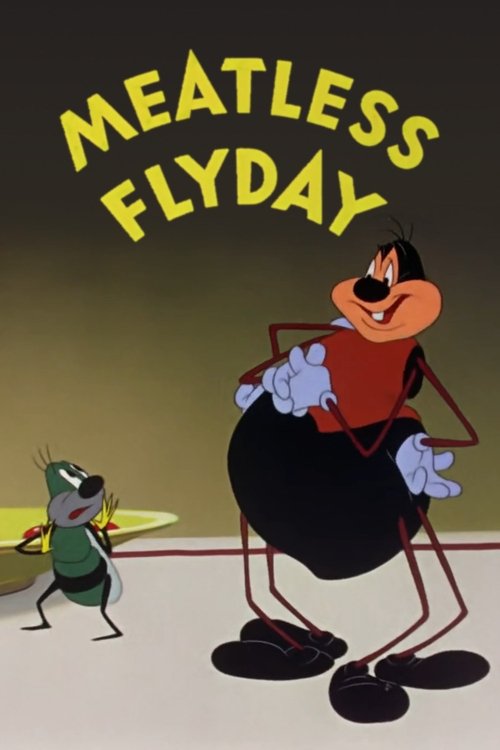
1944
1931
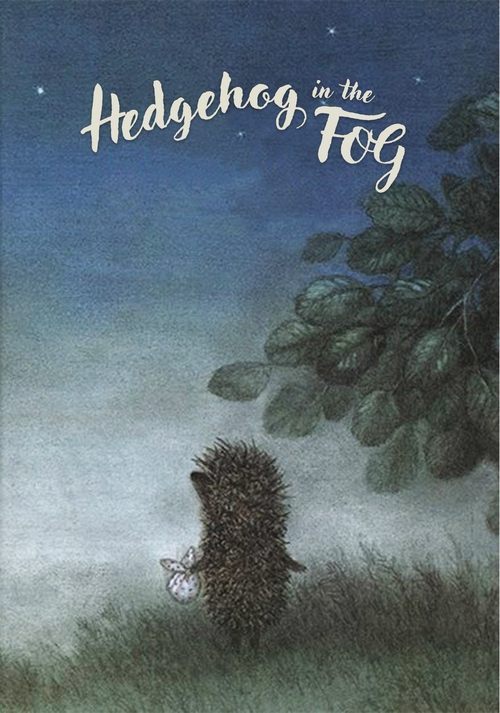
1975
No reviews yet. Be the first to share your thoughts on this movie!
Use the rating form above to leave a star rating and optional review.