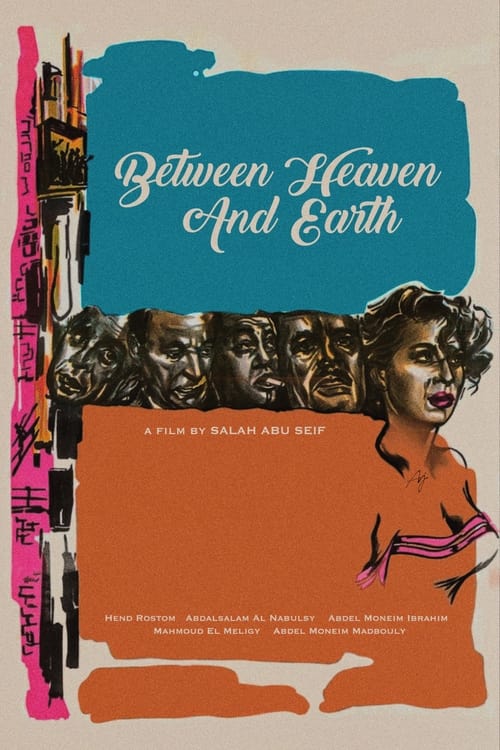
Between Heaven and Earth
1959
No user ratings available yet
Diversity score: 6.0 out of 10
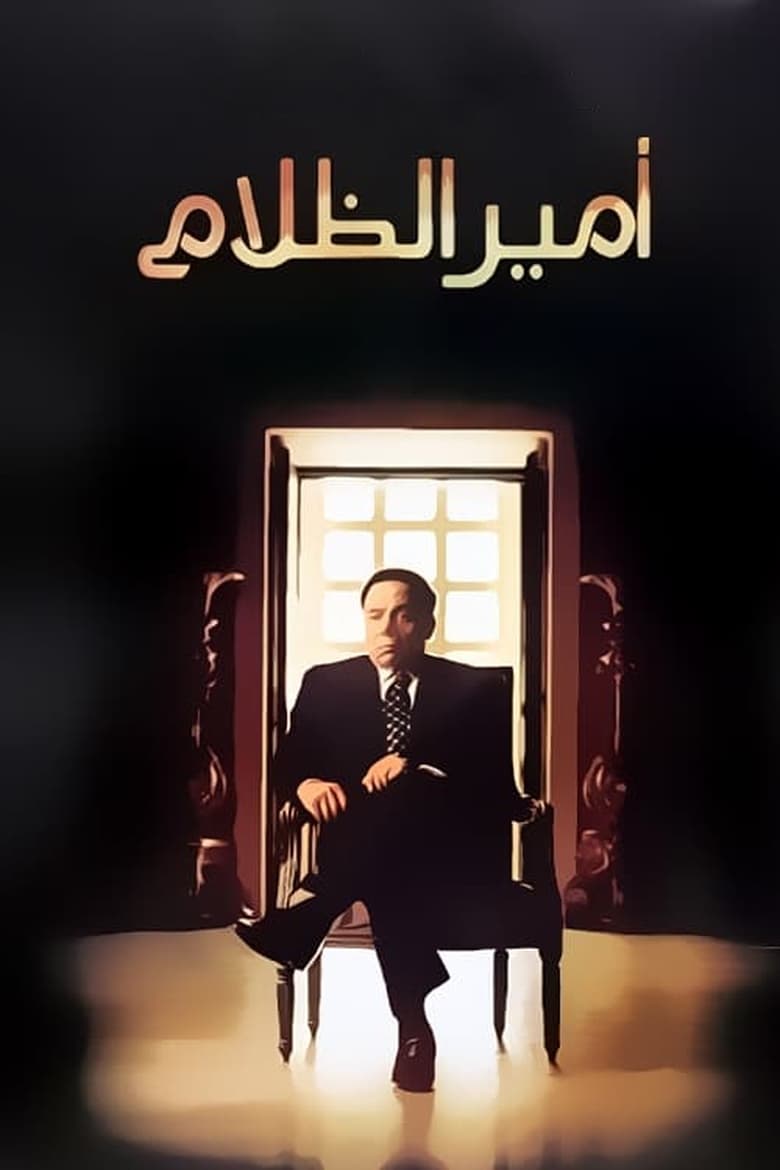
2002
Not RatedDirector
Ramy Imam
Runtime
114 minutes
Average Rating
No ratings yetSynopsis
The film revolves around Saeed AL-Masri (Adel Imam), one of the pilots of the October War who lost his eye-sight after his plane crashed during the war. Saeed AL-Masri is forced to live in a home for disabled people that is managed by a very bureaucratic managers which they turn it into a prison.
Overall Score
Fair
Category Breakdown
LGBTQ+ Representation
The film contains no evidence of LGBTQ+ characters or narratives addressing non-cisnormative identities. This category remains entirely unaddressed.
Gender Representation
The story focuses heavily on the male experience of veteranhood and disability. There is no visible evidence of female characters or the subversion of traditional gender hierarchies.
Racial & Ethnic Diversity
As a piece of Middle Eastern cinema, the film features a predominantly Arab cast. It provides a non-Western perspective by centering an Arab protagonist within a regional historical context.
Religious & Cultural Diversity
The narrative critiques institutional authority by framing a care facility as a prison. It deconstructs state-driven heroism by portraying a veteran as a victim of systemic incompetence.
Disability Representation
The protagonist's blindness is the central driver of the narrative conflict. Rather than using tropes, the film explores how societal structures strip agency from disabled individuals.
Strengths
Areas for Improvement
AI Analysis
The Prince of Darkness is a pointed social critique that uses the lived experience of a disabled veteran to expose the failures of institutional bureaucracy. It excels at centering disability not as a tragedy, but as a lens through which to view systemic corruption and the loss of personal autonomy. While the film offers a strong, non-Western perspective on state-managed care, it lacks intersectional breadth. The narrative is heavily male-centric and lacks any visible representation of LGBTQ+ identities or significant female roles. Ultimately, the film's strength lies in its refusal to treat its protagonist as a passive recipient of care, though its narrow demographic focus limits its overall diversity impact.
No reviews yet. Be the first to share your thoughts on this movie!
Use the rating form above to leave a star rating and optional review.