The Missing
2017
No user ratings available yet
Representation score: 3.4 out of 10
Representation Score
Good
2016
Director
Xu Wei
Runtime
103 minutes
Average Rating
No ratings yetNew Showbiz Analysis
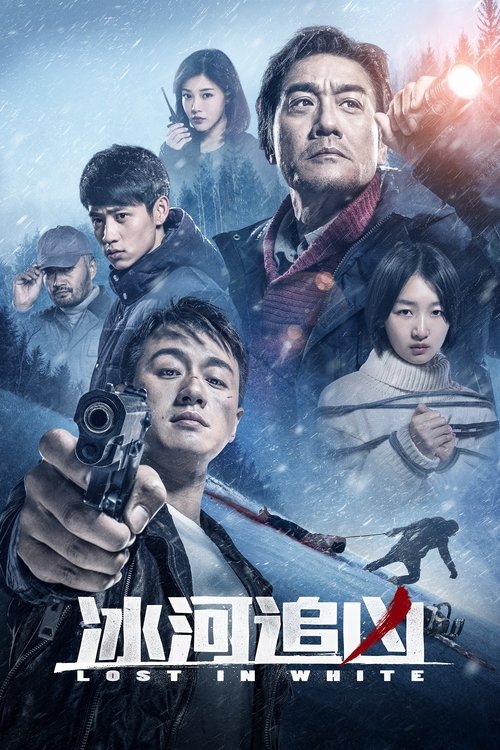
Lost in White is a gritty crime mystery that prioritizes social realism over traditional blockbuster clichés. It succeeds by using a procedural plot to interrogate the friction between individual morality and systemic decay. The film's strength lies in its systemic critique. By framing environmental destruction and corporate malfeasance as the primary antagonists, it challenges the sanctity of industrial institutions and highlights the victims of unregulated progress. However, the film lacks explicit focus on identity-based representation. While it offers a sophisticated look at power dynamics, it remains limited in its depiction of LGBTQ+ identities and neurodivergence.
Category Breakdown
The film follows a traditional investigative framework focused on corporate crime. There are no LGBTQ+ characters or themes addressing non-straight relationships.
The relationship between Captain Zhou and his daughter Xinyi offers a nuanced view of gendered dynamics. However, the professional investigative ability to act remains centered on male protagonists.
Set in Northeast China, the film provides an authentic representation of regional identity. It operates within a culturally homogeneous framework without multi-ethnic blending.
The story critiques the corrosive effects of unregulated capitalism and corporate greed. It prioritizes institutional corruption over the celebration of industrial or economic growth.
The film uses malformed infants as a marker of environmental negligence. These characters serve as narrative catalysts rather than agents with independent autonomy.
Present on Screen
Limited or Absent
Official Synopsis
Lost in White takes places in the north-east of China, where two bodies have been found under the ice of a frozen lake, their remains made unidentifiable by carnivorous fish, but still bearing the mark of having been dragged with an ice hook. In charge of the investigation is Captain Zhou (Tony Leung Ka Fai), a dedicated cop who's dragging along his teenage daughter Xinyi (Zhou Dongyu). Soon he's joined by Wang Hao (Tong Dawei) a young Shanghai detective who's on a missing person case that has led him to the same village where the murders happened. The two cases prove to be connected: the missing person and the two victims were part of a quartet of businessmen who ten years ago opened a refinery in the region, and disposed of chemical waste in an unethical way that has poisoned the waters and led to malformed babies in the following decade. Is the missing businessman the killer, the next victim or a red herring?
2017
2014
2019
2021
2016

1997

2019

2009
No reviews yet. Be the first to share your thoughts on this movie!
Use the rating form above to leave a star rating and optional review.