
Power
2014
No user ratings available yet
Representation score: 2.3 out of 10
Representation Score
Good
2008
Director
Rajat Kapoor
Runtime
110 minutes
Average Rating
No ratings yetNew Showbiz Analysis
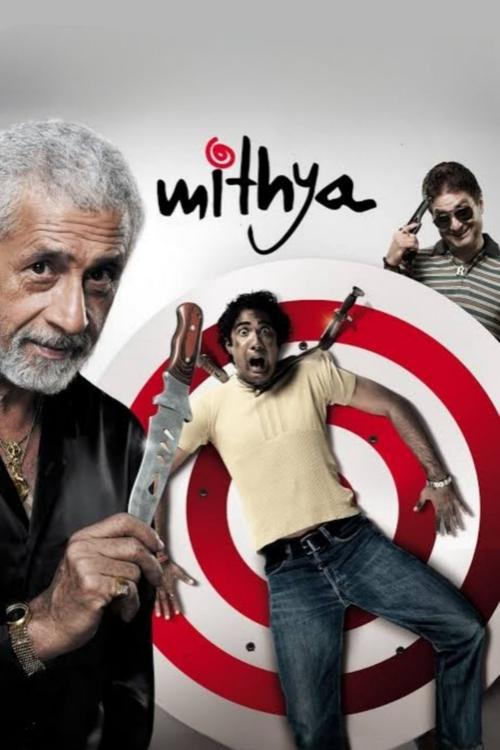
Mithya is a sophisticated psychological satire that prioritizes philosophical inquiry over broad demographic representation. It uses postmodern themes to destabilize the viewer's sense of certainty and explore the 'constructed self'. However, the film's capacity for representing overlapping identities is limited by its focus on a specific character. It operates within traditional social and domestic frameworks without actively challenging them. Ultimately, the work excels in intellectual deconstruction but lacks visible representation of underrepresented identities or a deep engagement with identity politics.
Category Breakdown
The film does not explicitly address LGBTQ+ identities or non-cisgender expressions. It focuses on the protagonist's internal struggles within a traditional domestic setting.
Gender dynamics are explored through the contrast between domestic stability and psychological instability. While the protagonist's breakdown challenges traditional roles, the film does not significantly subvert patriarchal structures.
Set in an urban Indian context, the cast reflects the specific socio-cultural setting without evidence of whitewashing. However, the film lacks diverse racial representation.
The narrative effectively uses moral relativism to challenge objective truths. It emphasizes individual perception over institutional or religious certainty through a postmodern approach.
Mental health and neurodivergence are addressed through the protagonist's breakdown, serving the psychological thriller plot rather than providing nuanced lived experiences.
Present on Screen
Limited or Absent
Official Synopsis
A two-bit actor faces challenges after he is asked by Police to impersonate a look-alike gangster.
2014

1999

2006

1998

2009

2010

2010
2013
No reviews yet. Be the first to share your thoughts on this movie!
Use the rating form above to leave a star rating and optional review.