
Strumpet
2001
No user ratings available yet
Diversity score: 6.0 out of 10
1991
Director
Mika Kaurismäki
Runtime
90 minutes
Average Rating
No ratings yetSynopsis
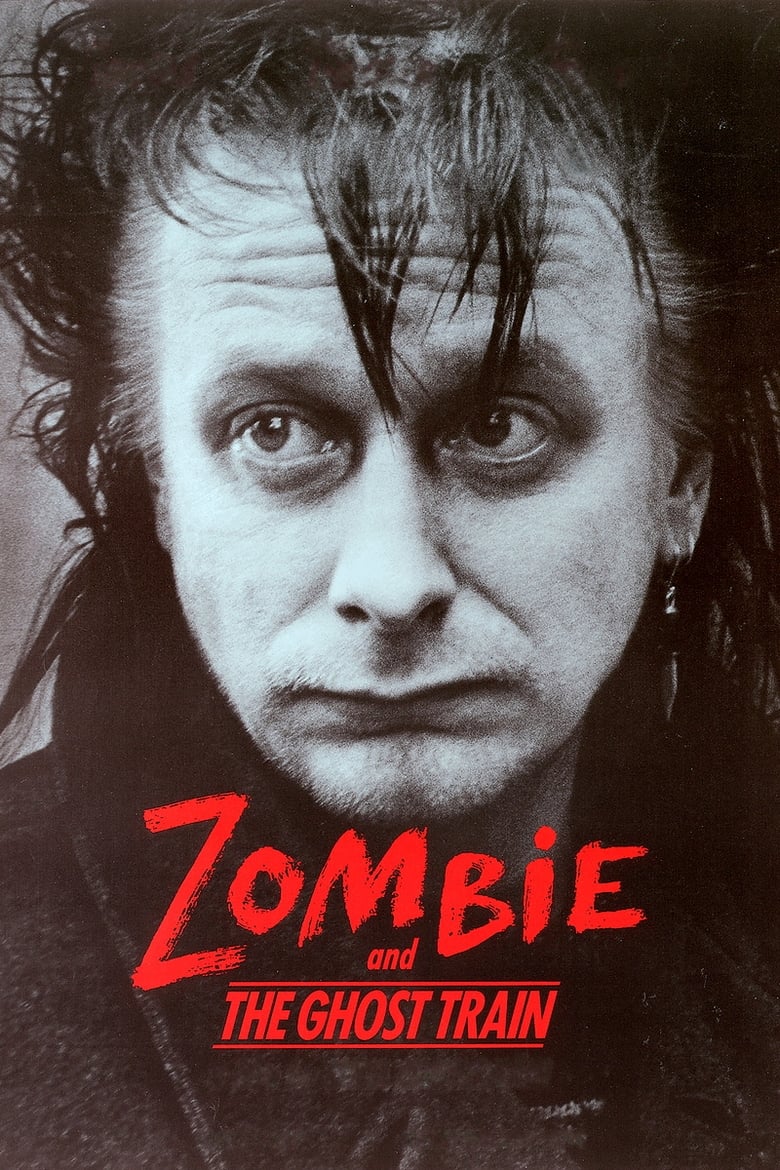
Antti "Zombie" Autiomaa does two things well: play the bass guitar and drink. After several months' sleeping on the streets of Istanbul, he returns to Helsinki where he's called into the army but discharged on mental health grounds after adding turpentine to the officers' soup. Zombie lives bleary-eyed in an apartment off his parents' house where his lonely, unemployed father suffers from heart disease. His girl-friend Marjo has taken up with a hairdresser but comes back to Zombie. His friend Harri hires him as a roadie for his band "Harry and the Mulefukkers" then gives him a chance as a bass player. He has his girl and he has a gig, but can Zombie put the bottle down?
Overall Score
Fair
Category Breakdown
LGBTQ+ Representation
The film focuses on a traditional heterosexual relationship between Zombie and Marjo. There is no explicit evidence of non-heteronormative identities or LGBTQ+ characters within the narrative.
Gender Representation
Gender dynamics are explored through messy, non-idealized romantic partnerships. However, the story remains heavily centered on a male protagonist, with female characters often defined by their relationship to him.
Racial & Ethnic Diversity
The setting moves between Istanbul and Helsinki, offering some international breadth. While this suggests cross-cultural exposure, the core narrative remains focused on a Finnish social context.
Religious & Cultural Diversity
The film critiques rigid institutions, such as the military, through the protagonist's defiance. It prioritizes the experiences of social outsiders and non-conformist lifestyles over traditional societal norms.
Disability Representation
Mental health and addiction are central to the protagonist's identity and agency. The film treats his instability as a lived reality rather than a purely moralistic or cautionary tale.
Strengths
Areas for Improvement
AI Analysis
Zombie and the Ghost Train is a character study of a marginalized individual navigating addiction and familial dysfunction. It succeeds in centering a non-conformist protagonist whose life exists on the fringes of societal expectations. The film's strength lies in its subversion of institutional authority and its nuanced portrayal of mental health. It avoids typical heroic arcs, opting instead for a realistic look at social alienation and the complexities of personal instability. However, the film lacks significant diversity in terms of explicit identity politics. The narrative remains largely centered on a male perspective, and the romantic elements follow traditional heterosexual patterns.
2001

2025

2019

1996
1970

2001
2006
1999

2002

1981
No reviews yet. Be the first to share your thoughts on this movie!
Use the rating form above to leave a star rating and optional review.