Dawg Fight
2015
No user ratings available yet
Representation score: 3.0 out of 10
Representation Score
Limited
2024
13+Director
Mark Tye Turner
Runtime
96 minutes
Average Rating
No ratings yetNew Showbiz Analysis
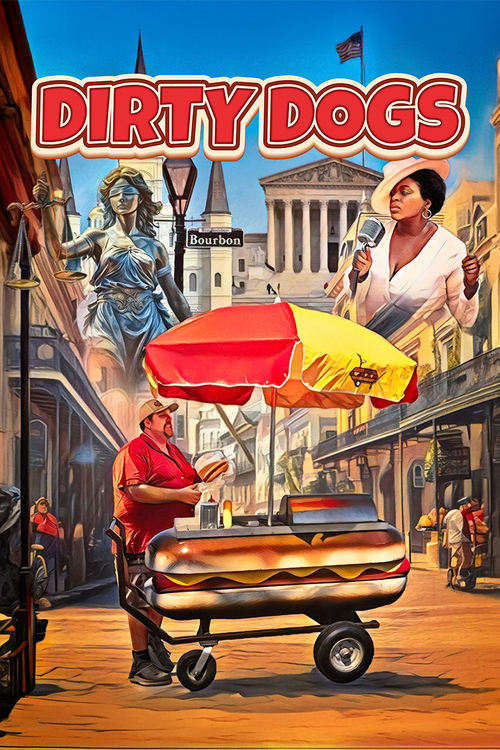
Dirty Dogs examines the tension between local community ability to act and centralized judicial authority in New Orleans. The film's strength lies in its systemic critique of the Supreme Court's influence, presenting established legal structures as barriers to grassroots resistance. However, the documentary lacks specific visibility regarding individual identities. While the theme of breaking monopolies suggests a progressive framework, the film offers little concrete evidence regarding gendered ability to act or specific demographic representation. Ultimately, the film serves more as a study of institutional resistance than a character-driven exploration of diverse identities. It excels in deconstructing power dynamics but remains vague on specific characters who reflect more than one aspect of diversity.
Category Breakdown
The film does not explicitly confirm any LGBTQ+ characters or narratives. Although the New Orleans setting is historically associated with queer communities, there is no specific scene-level evidence.
The documentary centers on institutional power struggles and does not focus on gendered ability to act. There is no clear depiction of masculinity, femininity, or specific gender roles.
Set in New Orleans, the film addresses a city marked by complex racial history. The narrative highlights the struggle of underrepresented groups to assert their ability to act against systemic monopolies.
The film criticizes institutional power by portraying the Supreme Court as a monopoly. It emphasizes localized justice and challenges traditional Western legal frameworks.
There is no verifiable evidence regarding the inclusion of neurodivergent individuals or people with physical disabilities in the documentary.
Present on Screen
Limited or Absent
Official Synopsis
Only in New Orleans: fighting to break free from the Supreme Court's monopoly in the heart of the French Quarter.
2015
2000
1999
2012
2005
2025
2010
2008
No reviews yet. Be the first to share your thoughts on this movie!
Use the rating form above to leave a star rating and optional review.