
Love at First Hiccup
2009
No user ratings available yet
Representation score: 1.8 out of 10
Representation Score
Fair
1999
RDirector
David Raynr
Runtime
94 minutes
Average Rating
No ratings yetNew Showbiz Analysis
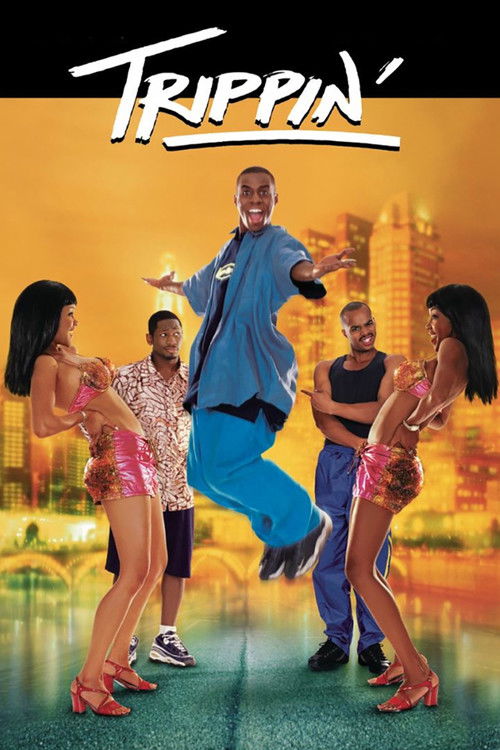
Trippin' is a character-driven coming-of-age comedy that emphasizes personal development over broader social commentary. While it avoids many traditional clichés, it lacks the depth found in more progressive narratives. The film succeeds in giving the female lead intellectual ability to act, challenging some gender expectations. However, the narrative remains centered on a conventional romantic arc and individualistic struggles. Ultimately, the film functions as a standard genre piece. It provides a focused look at a protagonist's internal journey but lacks significant representation of diverse identities or broader cultural deconstruction.
Category Breakdown
The story focuses on heterosexual relationships, particularly Greg's pursuit of Cinny. There is no visible evidence of LGBTQ+ identities or subtext within the narrative.
Cinny avoids being a passive love interest by serving as the intellectual catalyst for Greg's growth. However, the central plot remains anchored in traditional romantic pursuits.
The film's racial composition is not explicitly detailed. It follows a standard ensemble structure typical of late-90s independent coming-of-age comedies.
The narrative explores the tension between parental expectations and personal identity. It focuses on individual authenticity and the struggle of finding one's path.
The provided context contains no information regarding the depiction of physical, neurodivergent, or mental health disabilities.
Present on Screen
Limited or Absent
Official Synopsis
Greg is near the end of his senior year in high school, wanting to go to the prom, eyeing Cinny (the school's beauty with brains) from afar, and regularly trippin', daydreaming about being a big success as a poet, a student, a lover. His mom wants him to apply to colleges, but Greg hasn't a clue. One of his teachers, Mr. Shapic, tries to inspire him, too. He finally figures out he can get close to Cinny if he asks her for help with college applications. But friendship isn't enough, he wants romance and a prom date. So, he tells a few lies and, for awhile, it seems to be working. Then, things fall apart and Greg has to figure out how to put the trippin aside and get real.
2009

2010

1989
1999

2009
2023

2022

2000
No reviews yet. Be the first to share your thoughts on this movie!
Use the rating form above to leave a star rating and optional review.