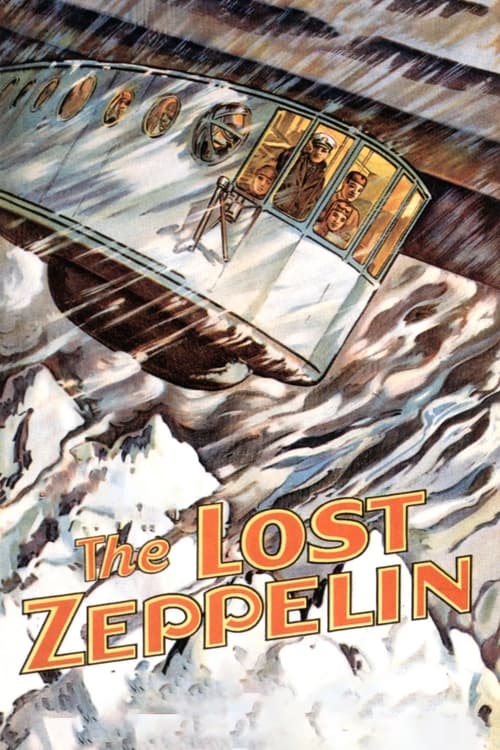
The Lost Zeppelin
1929
No user ratings available yet
Representation score: 0.3 out of 10
Representation Score
Minimal
1936
PassedDirector
Norman Dawn
Runtime
75 minutes
Average Rating
No ratings yetNew Showbiz Analysis
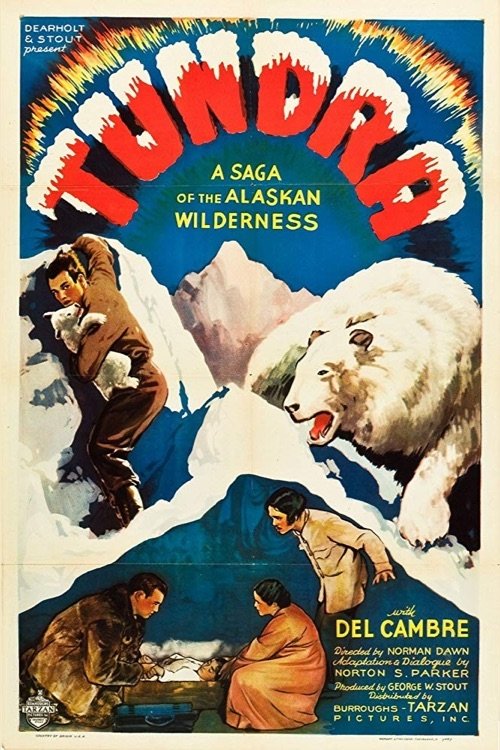
Tundra is a traditional survivalist adventure that prioritizes individualist perseverance over social complexity. The narrative structure is built around a singular male protagonist navigating a hostile environment, which limits the scope for diverse perspectives. Reflecting the cinematic norms of 1936, the film adheres to Western-centric casting and gender hierarchies. It focuses on the physical struggle of man versus nature rather than exploring diverse identities or systemic social dynamics. Ultimately, the film serves as a period-typical example of the adventure genre, emphasizing physical endurance and stoicism over a diverse or inclusive cast.
Category Breakdown
The film focuses on a solo trek through the Alaskan wilderness. There is no evidence of LGBTQ identities or non-straight relationships.
The narrative centers on a male doctor performing a feat of physical endurance. This reinforces 1930s stereotypes where masculinity is defined by stoicism and survivalist competence.
The film likely reflects the era's tendency toward homogeneous casting. It lacks specific evidence of diverse casts or the inclusion of Indigenous Alaskan perspectives.
The story emphasizes the 'man against nature' archetype. It prioritizes rugged individualism and the triumph of the human spirit over the environment.
There is no indication that the film utilizes neurodivergence or physical disability as a central narrative element or for character development.
Present on Screen
Limited or Absent
Official Synopsis
After a plane crash, a doctor treks 400 miles into the Alaskan wilderness. Based on a true story.
1929
1960
1953
2003
1933

1957
1969
1925
No reviews yet. Be the first to share your thoughts on this movie!
Use the rating form above to leave a star rating and optional review.