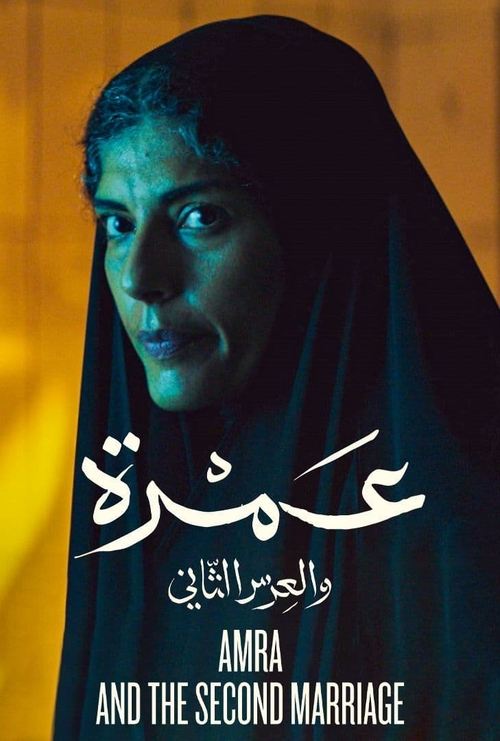
Amra and the Second Marriage
2018
No user ratings available yet
Representation score: 5.3 out of 10

Representation Score
Minimal
2005
Director
Ahmad Awwad, Samih El Nakash
Runtime
95 minutes
Average Rating
No ratings yetNew Showbiz Analysis
'Oreed Khol'an' opens in the dusty, cramped reality of a lower-class Egyptian neighborhood, where the camera lingers on the physical exhaustion of its characters rather than glossing over their poverty with star power. The film’s argument is that dignity is an internal resource, maintained through persistence in the face of unchanging systemic pressures. The wife’s decision to file for divorce against her husband’s strictness marks a moment of female agency, yet the narrative does not frame this as a liberation from traditional structures but as a negotiation within them. The ending offers no clean moral victory or escape from the cycle of struggle; instead, it rewards endurance, suggesting that survival itself is the ultimate triumph. The camera loves the warmth of the family unit, treating their shared labor as a source of moral authority rather than a burden. In this 2005 social realism piece, the system remains intact and unpunished, a background hum against which individual agency is tested. The film’s strength lies in its refusal to romanticize poverty or offer easy solutions, instead presenting a clear-eyed view of a family holding itself together through mutual support in a constrained field.
Category Breakdown
Absent. The narrative centers exclusively on heterosexual marital conflict and domestic survival. No queer characters, intimacy, or identity markers appear on screen.
Limited. The wife initiates the divorce case against her husband’s strictness, signaling female agency within a traditional framework. The film treats the marriage as a partnership of labor rather than a hierarchy, yet the resolution remains anchored in conventional family endurance.
Absent. The cast is entirely Egyptian, reflecting the local setting without broader ethnic diversity. Class dynamics replace racial ones as the primary axis of social tension.
Limited. The film depicts a lower-class Egyptian neighborhood with gritty realism, treating poverty as a condition to be navigated rather than solved. The nuclear family functions as a unit of survival, with dignity maintained through persistence rather than systemic change.
Absent. No characters with disabilities are depicted. Physical exhaustion from labor is present but does not constitute a disability narrative.
Present on Screen
Limited or Absent
Official Synopsis
The film revolves around a wife couple working in the field of dries and the husband working in a bank but because of the husband's strict treatment and implementation of his views, the wife decided to raise the case to take him off.
2018
2011

2002

2010
1985

2013
1980
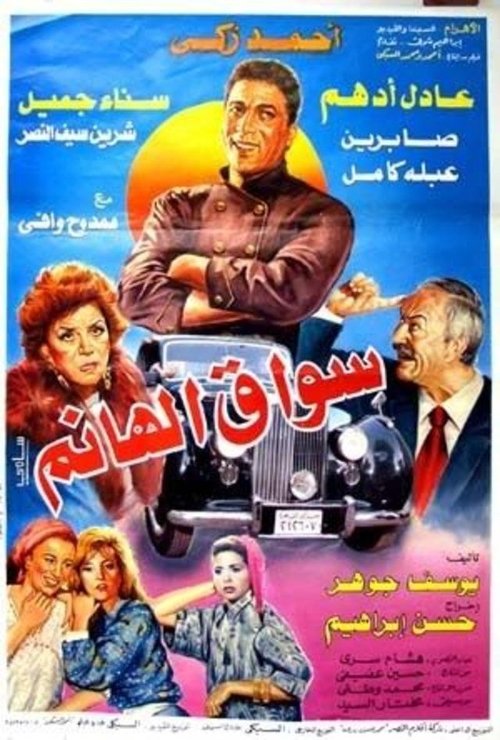
1993
No reviews yet. Be the first to share your thoughts on this movie!
Use the rating form above to leave a star rating and optional review.