
Let the Church Say, Amen
2003
No user ratings available yet
Representation score: 3.9 out of 10
Representation Score
Fair
2017
PGDirector
Aaron Wolf
Average Rating
No ratings yetNew Showbiz Analysis
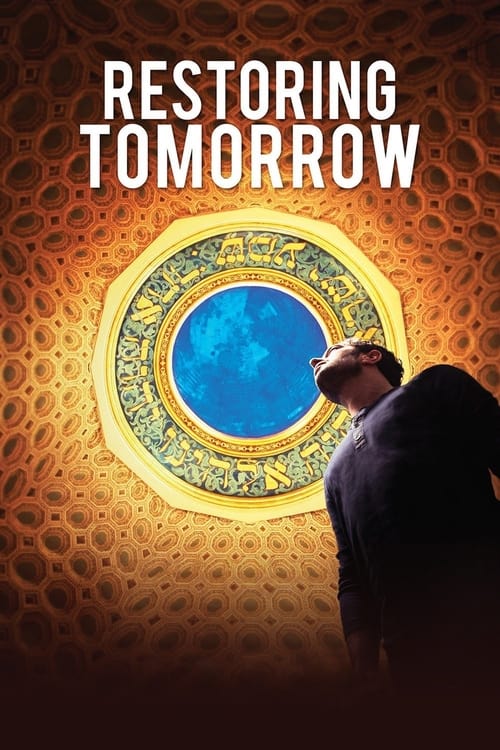
Restoring Tomorrow is a documentary-style exploration of communal resilience and institutional preservation. It highlights the collective effort to save the Wilshire Boulevard Temple, showcasing how shared goals can revitalize a community. The film succeeds in centering a specific ethnic and religious identity, providing a meaningful look at Jewish heritage in Los Angeles. This focus prevents the narrative from defaulting to a generic, homogeneous perspective. However, the film operates within traditional frameworks. By emphasizing the restoration of historical landmarks and religious institutions, it reinforces established social structures rather than challenging or subverting them through characters who reflect more than one aspect of diversity.
Category Breakdown
The film does not include any explicit mention of LGBTQ+ characters or narratives. The emphasis on preserving religious institutions suggests a traditional, straight-centered framework.
While the film showcases a community that allows for diverse roles, the historical focus on Hollywood moguls and temple legacy leans toward patriarchal structures. Gender-balanced participation is possible but not explicitly confirmed.
The narrative centers on the Jewish community within Los Angeles, moving away from an Anglo-Saxon default. It highlights a multi-ethnic backdrop through its broader community focus.
The film prioritizes the restoration and survival of religious traditions. It functions as a narrative of institutional continuity rather than a critique of religious structures.
There is no evidence that disability or neurodivergence plays a role in the character arcs or central narrative.
Present on Screen
Limited or Absent
Official Synopsis
In these divided times, religious institutions are losing young members and even closing their doors at an alarming rate. Director Aaron Wolf's personal journey of rediscovery comes alive in Restoring Tomorrow, a universal story of hope as a treasured local temple near demise, is lifted up by a community's determination to achieve the impossible. Wolf's journey explores how when any community puts their mind to it, the impossible becomes possible. Wilshire Boulevard Temple, a Los Angeles treasure built by the original Hollywood moguls, needs to raise millions to restore its majesty and vibrancy, thus also restoring the future of the Jewish community, the greater Los Angeles community-and on a personal level, Wolf himself.
2003

2020
2013

2017
2010
2023
2016

2019
No reviews yet. Be the first to share your thoughts on this movie!
Use the rating form above to leave a star rating and optional review.