
Love Today
2022
No user ratings available yet
Representation score: 6.2 out of 10
Representation Score
Fair
2012
Director
Kunle Afolayan
Runtime
111 minutes
Average Rating
No ratings yetNew Showbiz Analysis
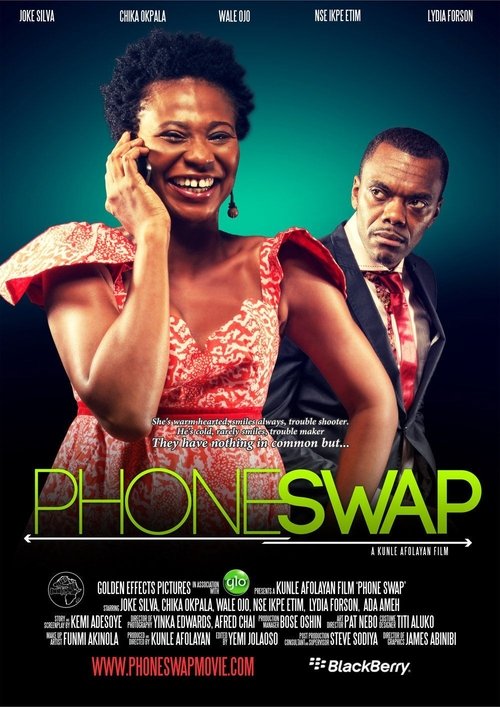
Phone Swap stands out as a sophisticated piece of contemporary African cinema that challenges older, localized cinematic norms. By centering a Nigerian urban context, it successfully moves away from Western-centric storytelling clichés. The film excels at providing high ability to act to its protagonists. While it adheres to traditional romantic structures, the situational role reversal allows for a nuanced exploration of professional and social navigation. Ultimately, the work's strength lies in its ability to decenter the Western experience, offering a cosmopolitan look at identity through a modern Nigerian lens.
Category Breakdown
The film follows a traditional romantic structure focused on a male and female relationship. There are no explicit representations of same-sex intimacy or non-cisgender identities.
The film presents a structural role reversal where Akin and Mary switch roles, challenging traditional gender roles. Mary works in a corporate environment while Akin handles a domestic family meeting, allowing both characters to take active roles in driving the story.
The movie centers on a Nigerian cast and setting, moving away from Western storytelling. It provides a strong portrayal of Black identity within a contemporary urban environment.
The story explores the tension between traditional family structures and modern professional life. It emphasizes a modern, cosmopolitan worldview over strictly religious or traditional moral frameworks.
There are no visible or mentioned depictions of physical or neurodivergent disabilities in the narrative.
Present on Screen
Limited or Absent
Official Synopsis
Akin and Mary meet for the first time at an airport where they accidentally bump into each other and mistakenly swap their identical phones . This leads to a destination mix up after they receive one another's text regarding a travel destination. Consequently, Akin ends up traveling to where Mary is supposed to go and vice versa. Neither knows about the swap until they have reached their opposite destinations and "the phone" stops ringing (In Mary's case) and "Won't stop ringing" (In Akins's case) . As a result of the phone swap, they agree to help carry out each other's missions, armed with the information and data on each other's phone. But it's not as easy as they both think as new obstacles and complications rise at every turn as they both struggle to adapt to their alien environment and situation. Mary has to walk in Akins shoes and represent him in a company meeting while Akin has to represent Mary in her the family meeting. This they do with hilarious results
2022

1976

2007

2012

2017

2008

2007

2018
No reviews yet. Be the first to share your thoughts on this movie!
Use the rating form above to leave a star rating and optional review.