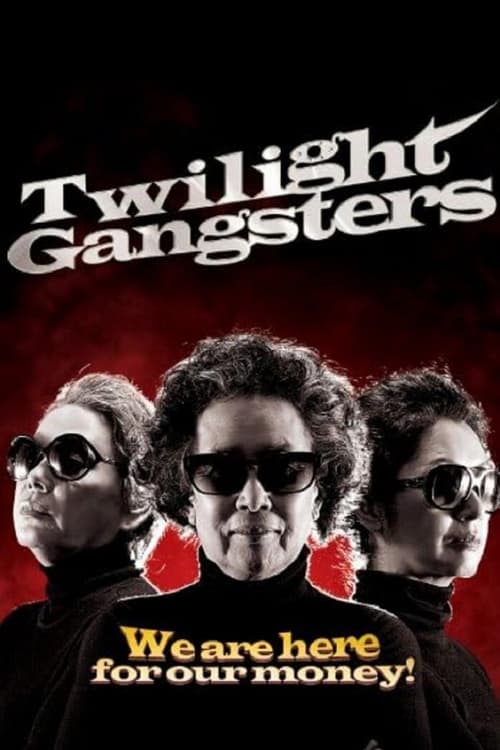
Twilight Gangsters
2010
No user ratings available yet
Representation score: 8.3 out of 10
Representation Score
Limited
2018
Director
Heo Jun-hyeong
Runtime
101 minutes
Average Rating
No ratings yetNew Showbiz Analysis
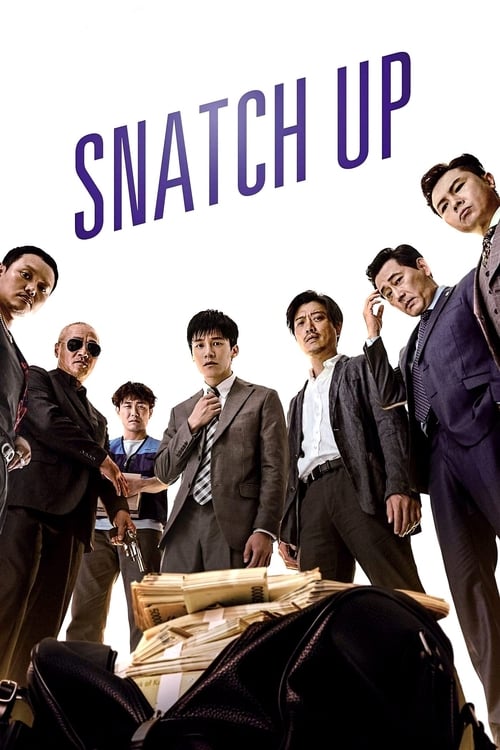
Snatch Up is a fast-paced crime-comedy that emphasizes genre clichés and high-stakes action over social commentary. The plot centers on a frantic chase driven by a golf bag of cash, featuring typical characters like criminals and law enforcement. The film adheres to conventional structures, emphasizing masculine-coded roles and economic hardship. Although it presents a non-Western perspective as a South Korean production, it does not actively challenge traditional hierarchies or explore diverse identities. Overall, the film serves as a localized genre exercise, emphasizing humor and action rather than addressing systemic social issues or diverse identity politics.
Category Breakdown
The film does not include visible non-straight or non-cisgender identities or stories focused on LGBTQ themes. The characters remain typical, such as gangsters and police officers.
The story focuses on a chase involving men, including an unemployed man and a delivery man. There are no female characters driving the plot.
As a South Korean production, the film offers a non-Western viewpoint. However, it does not specifically highlight casting that considers various identities within its domestic context.
The story revolves around chaos and the pursuit of money, functioning as a local genre exercise rather than a critique of societal institutions.
There is no indication that physical disabilities or neurodivergence affect the characters' storylines or the plot.
Present on Screen
Limited or Absent
Official Synopsis
A golf bag filled with cash sets off a furious chase between an unemployed man, a delivery man, gangsters, a killer, and a cop.
2010
2021
1996
2004
2016
1999
2020
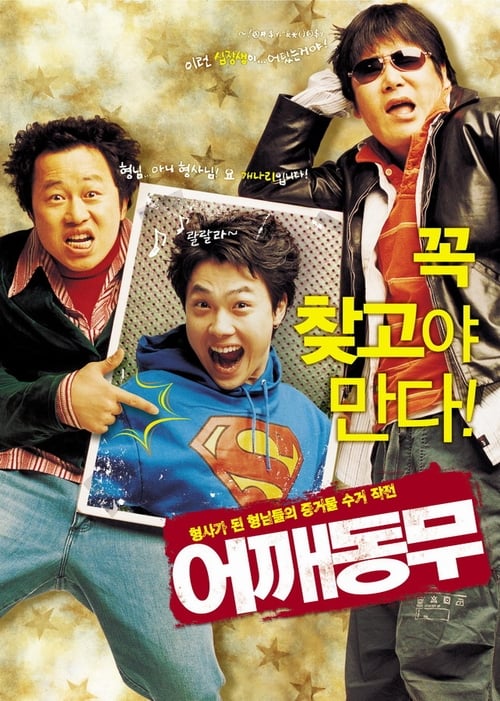
2004
No reviews yet. Be the first to share your thoughts on this movie!
Use the rating form above to leave a star rating and optional review.