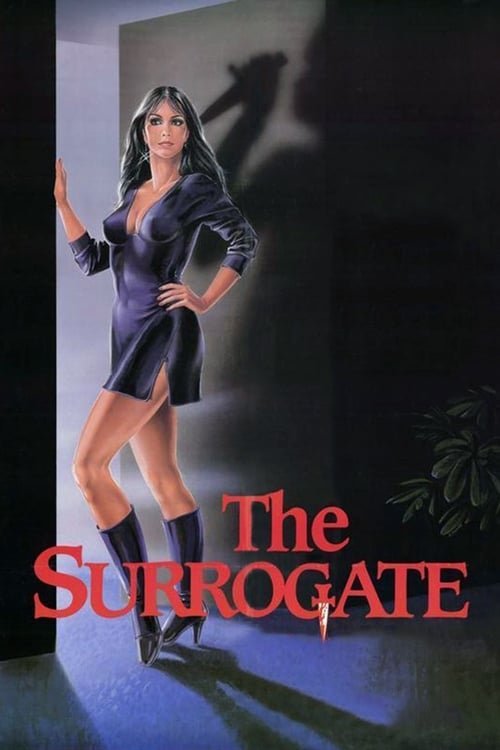
The Surrogate
1984
No user ratings available yet
Representation score: 2.9 out of 10
Representation Score
Fair
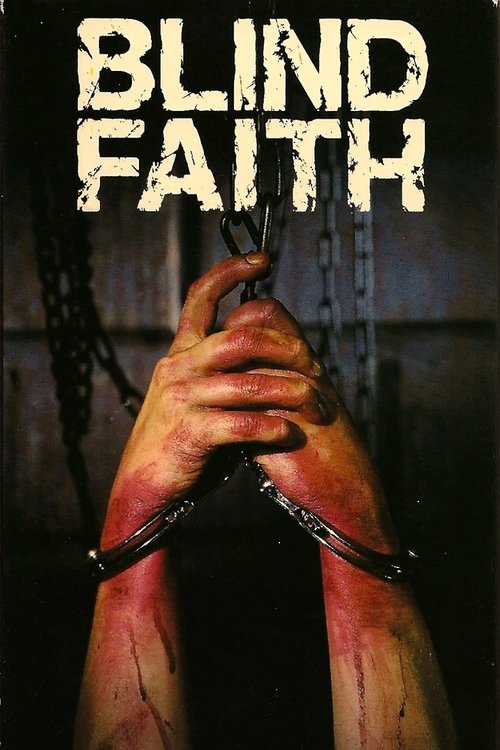
1989
RDirector
Dean Wilson
Runtime
82 minutes
Average Rating
No ratings yetNew Showbiz Analysis
Blind Faith adheres to a conventional crime and horror framework, emphasizing genre clichés over diverse representation. The narrative centers on a detective and a psychologist hunting a killer, a setup that does not challenge societal norms. Though the psychological elements hint at potential exploration of neurodivergence or mental health, the film’s approach remains unclear. Its reliance on traditional genre formulas suggests a lack of intentional diverse representation. Overall, the film aligns with the standard social hierarchies and casting norms typical of late-80s thrillers, showing limited engagement with cultural or identity-based critique.
Category Breakdown
The film does not explicitly address non-binary or transgender identities. The storyline focuses solely on the investigation of a serial killer.
The story revolves around a male detective and a psychologist. There is no indication of challenging traditional gender roles or male leadership.
The racial and ethnic makeup of the cast is not specified. The film seems to follow traditional casting practices common to its time period.
The film includes themes of demonic visions and religious elements. However, it is unclear whether the film critiques institutions or adheres to traditional moral frameworks.
The protagonists face personal issues that may indicate mental health struggles. It is uncertain whether these issues are explored with depth or used merely as plot devices.
Present on Screen
Limited or Absent
Official Synopsis
A detective and a psychologist, each with their own personal issues, try and crack a case involving a serial killer who has visions of demons.
1984
2006
1990
1992
1999

1990
1990
2002
No reviews yet. Be the first to share your thoughts on this movie!
Use the rating form above to leave a star rating and optional review.