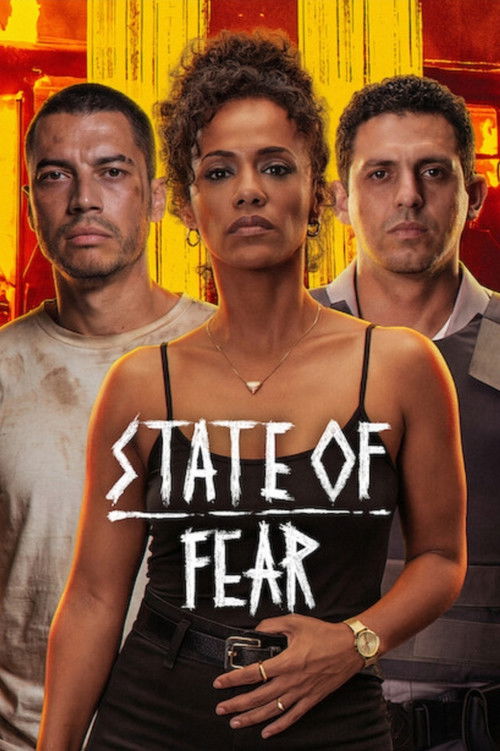
State of Fear
2026
No user ratings available yet
Representation score: 3.7 out of 10

Representation Score
Good
2026
Director
Gustavo Bonafé
Average Rating
No ratings yetNew Showbiz Analysis
The film centers on Patrícia Trindade, a policewoman fleeing a death threat to find her daughter, Luiza, in the Amazon. Luiza works for an NGO, treating local communities while navigating tensions with illegal miners. The story highlights the Munduruku people, specifically Mario, who confronts mining operations threatening his land. Traditional family dynamics are present, with Patrícia and Luiza discussing their strained relationship. The setting emphasizes the conflict between industrial greed and indigenous rights. The narrative focuses on specific regional conflicts rather than broad national diversity. The film depicts illegal gold mining operations and their impact on local rivers. The story highlights the Munduruku people, specifically Mario, who confronts mining operations threatening his land. The setting emphasizes the conflict between industrial greed and indigenous rights.
Category Breakdown
No LGBTQ+ characters or same-sex relationships appear in the provided context. The narrative focuses on heterosexual family dynamics and regional conflicts. This absence leaves the category with minimal on-screen presence.
Patrícia Trindade is a policewoman who drives the plot after a failed operation. She navigates a death threat while reconnecting with her daughter. Male characters like Jadson and Baleado are framed as violent or criminal.
Mario is a Munduruku man who returns to his village to file a mining complaint. The film depicts illegal gold mining operations and their impact on local rivers. The story highlights the Munduruku people and their confrontation with industrial greed.
Luiza works as a doctor for an NGO, serving indigenous communities in Pará. The setting emphasizes the conflict between industrial greed and indigenous rights. The narrative focuses on specific regional conflicts rather than broad national diversity.
Disability is not a central theme in the film. No ongoing disabled lives are shown in the provided context. The narrative focuses on other social and environmental issues instead.
Present on Screen
Limited or Absent
Official Synopsis
After leading a failed operation, a policewoman under a death threat leaves São Paulo in search of safety and to reconnect with her daughter, who works as a doctor for a non-governmental organization and was kidnapped in the interior of Pará by illegal gold miners.
2026

2013

2021

1996

2005
2009

2020
2014
No reviews yet. Be the first to share your thoughts on this movie!
Use the rating form above to leave a star rating and optional review.