Raid
2003
No user ratings available yet
Representation score: 1.5 out of 10
Representation Score
Fair
2003
RDirector
Erik Van Looy
Runtime
114 minutes
Average Rating
No ratings yetNew Showbiz Analysis
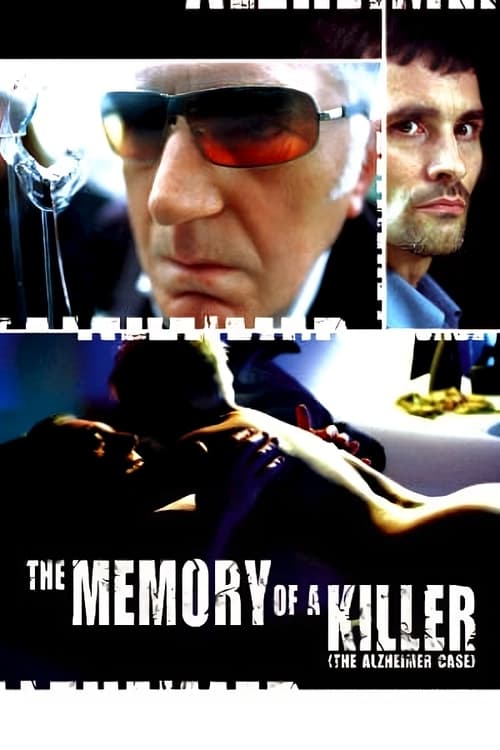
The film is a genre-driven thriller that prioritizes psychological tension and moral ambiguity over social representation. It relies heavily on traditional masculine archetypes and conventional genre structures. While the narrative offers a compelling look at the intersection of criminality and cognitive decline, it lacks breadth in its depiction of identity. The focus remains on individual psychological states rather than the overlapping aspects of identity. Ultimately, the work functions as a localized crime drama that explores the breakdown of systemic reliability through a narrow, male-centric lens.
Category Breakdown
The film focuses on a male-dominated criminal world and a traditional detective duo. It does not include any non-straight or non-cisgender identities or stories that question the assumption that everyone is straight or cisgender.
Male characters, especially the main characters and the villain, have significant roles in driving the story. Female characters, such as the prostitutes, play minor, vulnerable roles that serve as catalysts for the male-driven investigation.
The setting reflects a fairly homogeneous European environment. While the antagonist hints at a Mediterranean background, the film does not use diverse casting to challenge historical norms.
The narrative explores subjective morality and institutional corruption. It shifts away from a simple good versus evil binary toward a more cynical, situational ethics framework.
Angelo Ledda’s struggle with Alzheimer’s is a key part of his character's role and professional life. However, linking disability to a violent antagonist risks reinforcing the stereotype of a tragic figure.
Present on Screen
Limited or Absent
Official Synopsis
Vincke and Verstuyft are one of the best detective teams of the Antwerp police force. When they are confronted with the disappearance of a top official and the murder of two prostitutes, the trail leads to the almost retired assassin Angelo Ledda. Since Ledda starts showing symptoms of Alzheimer's, it's getting more and more difficult to complete his contracts. When he has to murder a 12-year old call-girl, he refuses and becomes a target himself. While Vincke and Verstuyft are chasing him and counting the corpses, Ledda is taking care of his employers.
2003

2017

2023
1958

2008
2010
2009
2024
No reviews yet. Be the first to share your thoughts on this movie!
Use the rating form above to leave a star rating and optional review.