
The Toy
1976
No user ratings available yet
Representation score: 1.5 out of 10
Representation Score
Minimal
1971
GPDirector
Claude Berri
Runtime
95 minutes
Average Rating
No ratings yetNew Showbiz Analysis
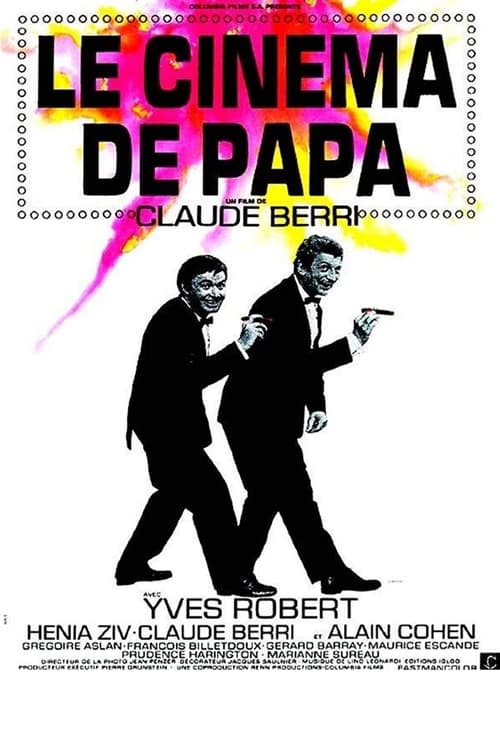
Le Cinéma de Papa is a classical realist drama that emphasizes historical authenticity and nostalgic storytelling. It reflects the specific social constraints of early 20th-century provincial France. The film’s narrative is built around traditional Western institutions, particularly the patriarchal family and the continuity of trade. It avoids using identity politics or systemic critiques as a narrative driver. Ultimately, the film serves as a reflection of its temporal and cultural context rather than a tool for social subversion.
Category Breakdown
The film centers on the relationship between a father and his son, emphasizing traditional family bonds. It does not include characters with non-conforming gender identities or stories that challenge the assumption that everyone is straight or cisgender.
The story revolves around masculine business succession, reinforcing traditional gender roles. Women do not play a significant role in driving the main conflict of the film.
Set in a rural French village, the film depicts a homogeneous population typical of its time. The cast is predominantly Western European, without much representation of diverse ethnicities.
The narrative highlights traditional values and a sense of nostalgia for the family unit. It portrays the socioeconomic structure of the village as stabilizing without critiquing it.
There are no characters with visible or invisible disabilities that significantly impact the storyline or serve as plot devices.
Present on Screen
Limited or Absent
Official Synopsis
Claude Berri plays himself as he relates his own experiences through youth and adolescence. His father owns a profitable fur shop. Initially, Claude's father hopes his son will take over the fur shop, but he later gives in to Claude's desire to become involved in filmmaking.
1976
1973
1941
1982
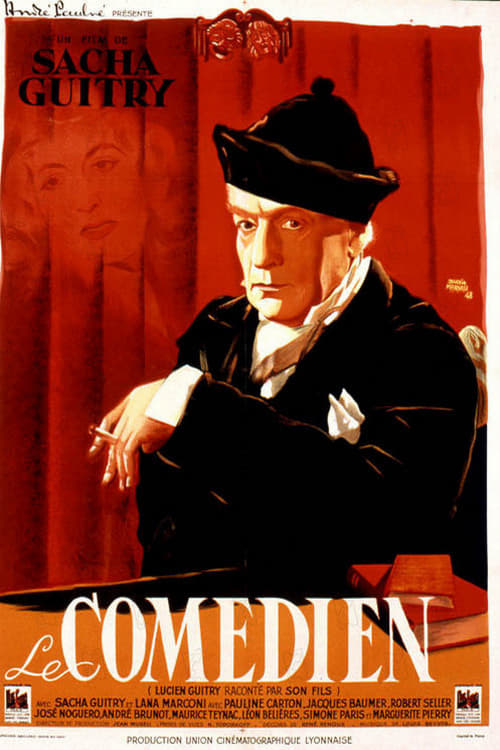
1948
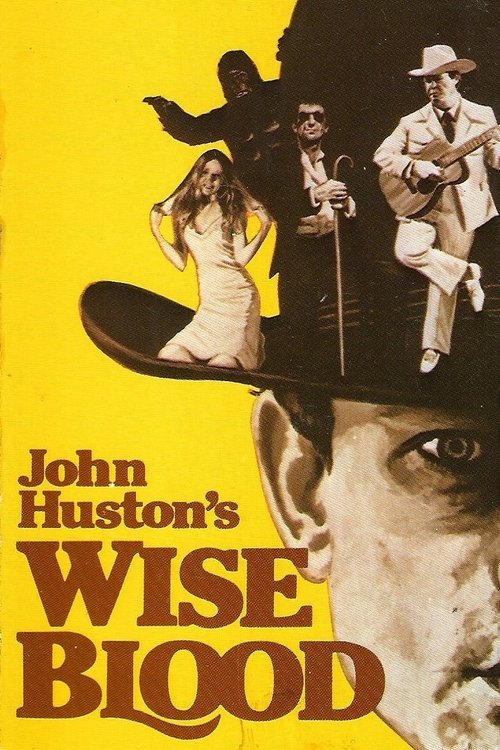
1979

1997
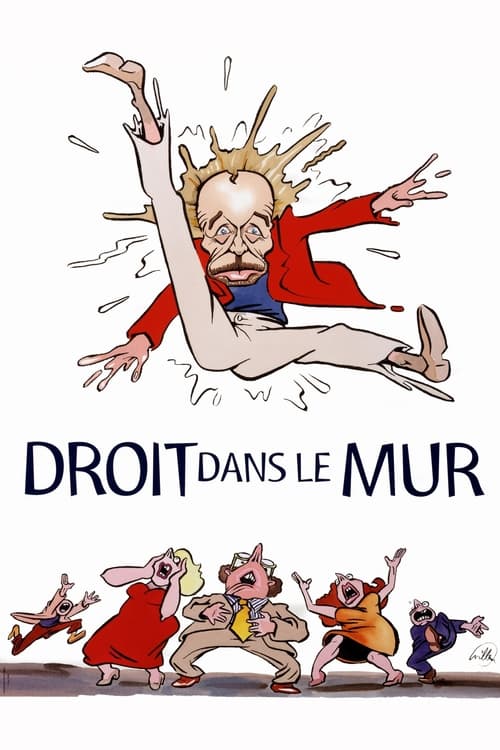
1997
No reviews yet. Be the first to share your thoughts on this movie!
Use the rating form above to leave a star rating and optional review.