
Far West
2003
No user ratings available yet
Representation score: 3.1 out of 10
Representation Score
Fair
2005
Director
Jean-Pierre Sinapi
Runtime
92 minutes
Average Rating
No ratings yetNew Showbiz Analysis
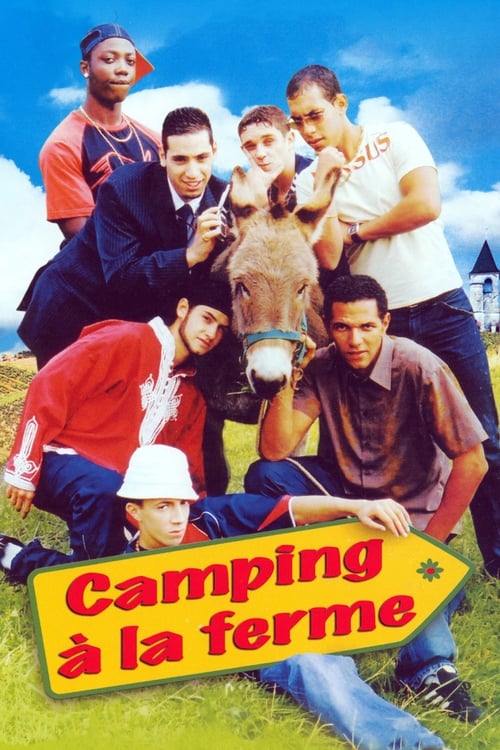
Camping à la ferme presents a sociological exploration of the clash between urban, multi-ethnic youth and traditional rural settings. It effectively highlights the diversity of religious and ethnic backgrounds, challenging the monolithic archetype of rural life. However, the film's social complexity is uneven. While it successfully portrays racial and religious diversity, it lacks representation for LGBTQ+ identities and characters with disabilities. The focus remains heavily centered on class and ethnic integration. Overall, the film offers a nuanced portrayal of French society by avoiding a homogeneous view, though it misses opportunities to explore other underrepresented groups.
Category Breakdown
The film does not include explicit LGBTQ+ characters or non-straight relationships. Queer identities are largely absent from the story, focusing instead on social integration and class issues.
A dynamic female judge is a key authority figure. Placing a woman in a position of judicial power challenges traditional male-dominated hierarchies in the legal system.
The film showcases a mix of ethnicities by featuring suburban Parisian youth in a rural setting. This inclusion highlights the diversity of backgrounds and challenges the historical homogeneity of rural France.
The film promotes religious diversity by showing Muslim prayer in a traditional rural environment. This approach critiques monolithic cultural norms and explores the interaction of various social backgrounds.
There is no indication of characters with physical or neurodivergent disabilities. The film does not address these specific traits in its narrative.
Present on Screen
Limited or Absent
Official Synopsis
Six jeunes en difficulté de la banlieue parisienne débarquent au fin fond de la campagne française, escortés par leur éducateur. Ils doivent montrer leur bonne volonté en effectuant des travaux d'intérêts généraux décidés par la pétillante juge d'application des peines, qui veut ainsi leur donner une dernière chance. Entre le portable vissé à l'oreille de l'un, le pit-bull de l'autre ou encore les prières musulmanes du troisième, ces adolescents vont bouleverser la vie paisible du petit village.
2003

2006

2006

2009

2023

2009

2018

2002
No reviews yet. Be the first to share your thoughts on this movie!
Use the rating form above to leave a star rating and optional review.