Krishna Vrinda Vihari
2022
No user ratings available yet
Representation score: 2.2 out of 10
Representation Score
Good
2025
Director
Sreejith Babu
Runtime
139 minutes
Average Rating
No ratings yetNew Showbiz Analysis
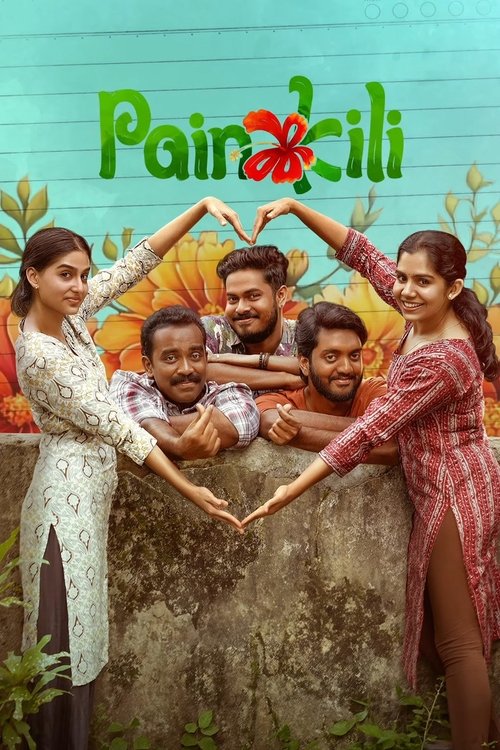
Painkili explores individual ability to act against rigid social expectations through an absurdist lens. The narrative challenges traditional family structures and subverts gendered roles via Sheeba's resistance to domesticity. However, the film's engagement with underrepresented identities is limited. Using mental instability as a plot device can trivialize neurodivergence, and the absence of LGBTQ+ representation narrows the social scope. Ultimately, Painkili aligns with a progressive tradition by emphasizing personal autonomy and critiquing patriarchal authority within a specific regional cultural framework.
Category Breakdown
The film focuses on heterosexual relationships and does not include any visible queer presence or critique of heterosexism.
Sheeba actively resists an arranged marriage, demonstrating a significant role in driving the story against patriarchal structures. Her actions subvert the passive female stereotype.
The production features a homogeneous cast within a specific regional Indian context, relying on local social archetypes without blending diverse racial backgrounds.
The story highlights generational friction and individual autonomy, deconstructing traditional family structures and prioritizing personal rebellion over established familial cohesion.
Mental instability is used primarily as a comedic plot device for the protagonist to evade the law. The film lacks characters with actual disabilities portrayed with depth.
Present on Screen
Limited or Absent
Official Synopsis
Tale of Suku, who fakes insanity to escape the law. While faking insanity, he falls in love.
2022

2009
2018
2019

2013
2021

2019
2007
No reviews yet. Be the first to share your thoughts on this movie!
Use the rating form above to leave a star rating and optional review.