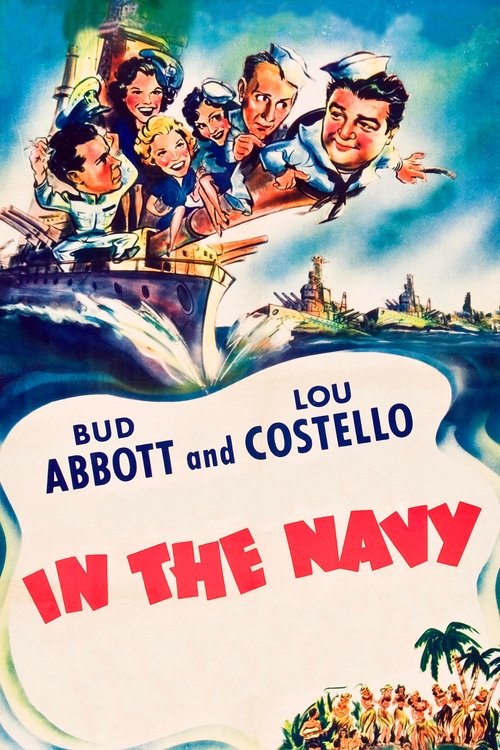
In the Navy
1941
No user ratings available yet
Representation score: 0.3 out of 10
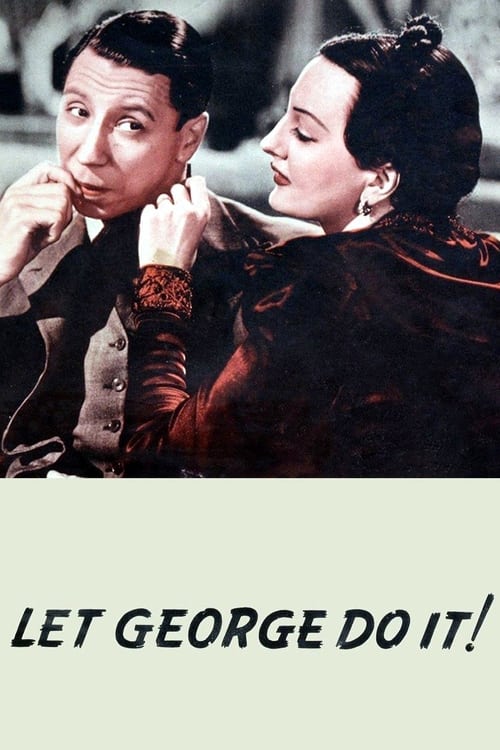
Representation Score
Minimal
1940
NRDirector
Marcel Varnel
Runtime
82 minutes
Average Rating
No ratings yetNew Showbiz Analysis
This wartime musical comedy serves as an escapist artifact of its time. It prioritizes slapstick humor and patriotic themes over exploring complex identity issues or systemic power structures. The film adheres to the social norms of the early 1940s, using a homogeneous and traditional worldview. It relies on established formulas to foster cultural unity during wartime. Ultimately, the production lacks the narrative complexity needed to challenge historical social hierarchies, focusing instead on the 'cheeky chappie' archetype and traditional Western values.
Category Breakdown
The film does not include any visible LGBTQ identities or non-binary gender expressions. It focuses on traditional heterosexual relationships.
Female characters like Mary play important roles but mainly serve as catalysts for the male protagonist's journey. their ability to act is limited compared to the male lead, reinforcing traditional gender roles.
The cast and setting are predominantly white and Eurocentric. There are no significant non-white characters or discussions about racial diversity.
The narrative emphasizes British patriotism and a clear moral divide between allies and enemies. It does not critically examine the social order or religious institutions.
There is no representation of physical, sensory, or neurodivergent disabilities. Characters are shown as typically healthy, with physical comedy used for humor.
Present on Screen
Limited or Absent
Official Synopsis
Shortly after the start of World War II, a ukelele player (George) takes the wrong boat and finds himself in (still uninvaded) Norway. He is mistaken for a fellow British intelligence agent by a woman (Mary), and becomes involved in trying to defeat Nazi agents.
1941
1942
1944
1983
1942
1941

1942
1944
No reviews yet. Be the first to share your thoughts on this movie!
Use the rating form above to leave a star rating and optional review.