
The Fear Footage 3AM
2021
No user ratings available yet
Representation score: 3.2 out of 10
Representation Score
Limited
2011
RDirector
Giacomo Gabrielli
Runtime
63 minutes
Average Rating
No ratings yetNew Showbiz Analysis
Doc. 33 is a historical interrogation of institutional corruption and the erosion of ethics under totalitarianism. It prioritizes a study of moral ambiguity over traditional heroic archetypes, focusing on the friction between professional duty and state ideology. The film's strength lies in its systemic critique rather than demographic variety. It challenges the legitimacy of absolute authority, positioning personal ethics against a corrupt state. However, the work lacks diversity in identity-based representation. The narrative is centered on a male protagonist within a homogeneous European cast, offering little engagement with LGBTQ+ themes or racial diversity.
Category Breakdown
The film focuses on the professional and ethical dilemmas of a male protagonist. It lacks any evidence of queer narratives or non-straight relationships.
Narrative ability to act is heavily concentrated in male characters, reflecting 1930s professional hierarchies. The film lacks significant challenges to masculine authority.
The cast remains relatively homogeneous, consistent with the European historical setting. The story focuses on internal political dynamics rather than exploring racial diversity.
The film excels at critiquing Western power structures and Fascist institutions. It provides a sophisticated deconstruction of nationalist authority and state-mandated truth.
While the story involves a medical professional, it is unclear if disability serves as a meaningful narrative driver or a plot device.
Present on Screen
Limited or Absent
Official Synopsis
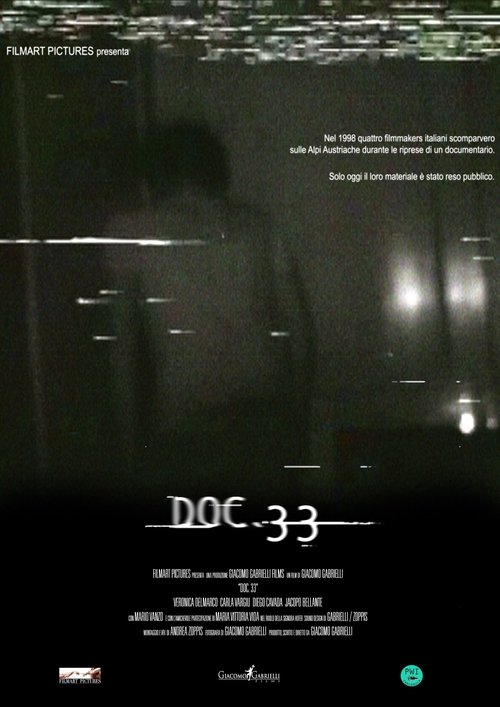
In 1998, four Italian filmmakers disappear in the Austrian Alps while shooting a documentary. Only now their footage has been made public.
2021

1980
2014
2010
2012

2006

2019
2013
No reviews yet. Be the first to share your thoughts on this movie!
Use the rating form above to leave a star rating and optional review.