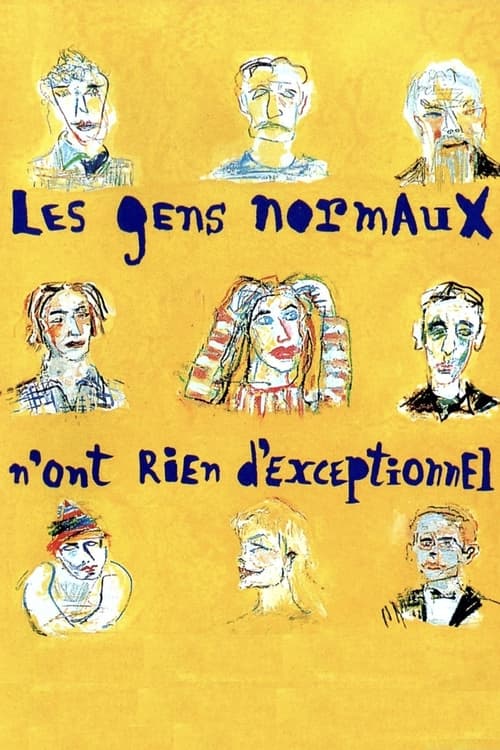
Normal People Are Nothing Exceptional
1993
No user ratings available yet
Representation score: 6.4 out of 10

Representation Score
Excellent
2016
Not RatedDirector
Paolo Virzì
Runtime
116 minutes
Average Rating
No ratings yetNew Showbiz Analysis
Paolo Virzì’s film stands out by placing neurodivergent characters as independent protagonists rather than mere plot devices. By emphasizing their internal motivations and control over their lives, the narrative dismantles institutional authority and questions the societal definition of sanity. Though the film shines in representing mental health conditions and critiquing cultural norms, it remains a localized Italian production with limited racial diversity. Its focus on specific regional social classes narrows its broader ethnic perspective. Overall, the film challenges traditional gender stereotypes and explores unconventional intimacy, making it a compelling exploration of individuals on the margins of mainstream society.
Category Breakdown
The film delves into emotional connections and relationships that go beyond typical heterosexual norms. It provides a detailed look at identity by linking emotional instability to the characters' psychological states.
Women play a crucial role in driving the story, challenging traditional gender roles within a strict institution. The protagonists are shown as intelligent and independent, not just passive figures.
Being a local Italian production, the film doesn't have a predominantly non-white cast. However, it steers clear of idealized portrayals by showing a realistic view of Tuscan society.
The story criticizes Western institutions and the rigid social hierarchy within a psychiatric setting. It portrays 'madness' as a valid response to a controlling and possibly corrupt system.
Characters with mental health issues are the main drivers of the story, having significant influence. The film avoids mocking or romanticizing their conditions, presenting their experiences honestly.
Present on Screen
Limited or Absent
Official Synopsis
Two mental patients with opposite personalities ditch their Tuscan hospital and embark on an unpredictable exploration of the real world.
1993

2024
2006

2014
2019

2002

2005

2024
No reviews yet. Be the first to share your thoughts on this movie!
Use the rating form above to leave a star rating and optional review.