
Titanic: Into the Heart of the Wreck
2020
No user ratings available yet
Representation score: 1.3 out of 10
Representation Score
Fair
2012
Director
Sharon Petzold
Runtime
45 minutes
Average Rating
No ratings yetNew Showbiz Analysis
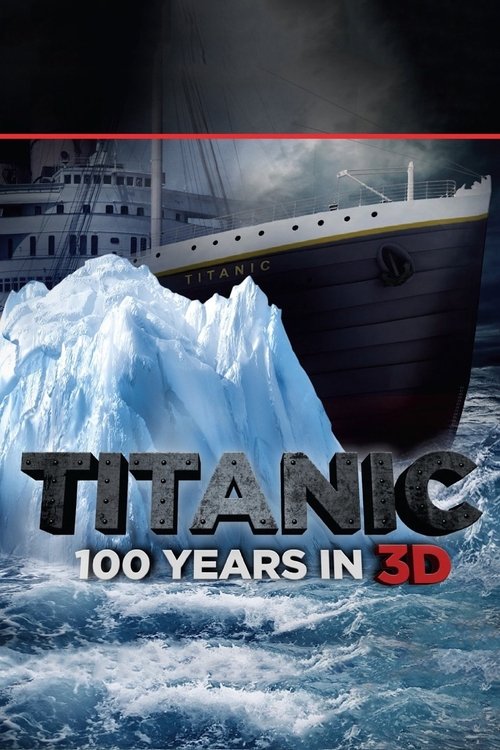
Titanic: 100 Years in 3D is a technical documentary designed for scientific observation rather than social storytelling. Since the subject matter is the physical wreckage and maritime forensics, the film lacks the narrative structure to explore identity-driven themes or character-based representation. The production maintains a neutral, empirical baseline. It avoids reinforcing harmful stereotypes but also lacks the intentionality required to disrupt traditional social hierarchies or highlight diverse human experiences. Ultimately, the film serves as a historical and scientific record. Its focus on HD 3D visuals and structural data results in a standard baseline for historical documentary media.
Category Breakdown
The documentary focuses on maritime forensics and physical wreckage rather than character-driven stories. It doesn't engage with LGBTQ+ identities, serving mainly as a technical study.
The film maintains a neutral stance by focusing on the mechanics and structure of the ship. It avoids reinforcing gendered power dynamics through its scientific presentation.
The visual focus is on the wreckage and a Western-led scientific expedition. Although the original passenger list was diverse, the film centers on the physical debris.
The narrative prioritizes scientific inquiry and empirical observation over religious frameworks. It frames the sinking through environmental and structural factors rather than moral judgment.
The film centers on submersibles and wreckage analysis. There is no portrayal of characters with disabilities having ability to act or being used as plot devices.
Present on Screen
Limited or Absent
Official Synopsis
100 years after an iceberg defeated the 882-foot luxury liner on its maiden voyage, scientists and historians are still exploring the Titanic. Armed with modern camera technology, submersibles were sent down to the ship's final resting place with the hope of capturing HD 3D visuals of the wreckage, in order to support or even confirm theories about the damage that took the boat down. Now, History Channel has brought some of that footage home in this 45-minute TV special, presented in 3D so that future generations can see it for themselves.
2020
2003

2012
2025
2007
2012

2002
1986
No reviews yet. Be the first to share your thoughts on this movie!
Use the rating form above to leave a star rating and optional review.