
Celluloid Horror
2004
No user ratings available yet
Representation score: 4.3 out of 10
Representation Score
Fair
2017
Director
Gustavo Leonel Mendoza
Runtime
115 minutes
Average Rating
No ratings yetNew Showbiz Analysis
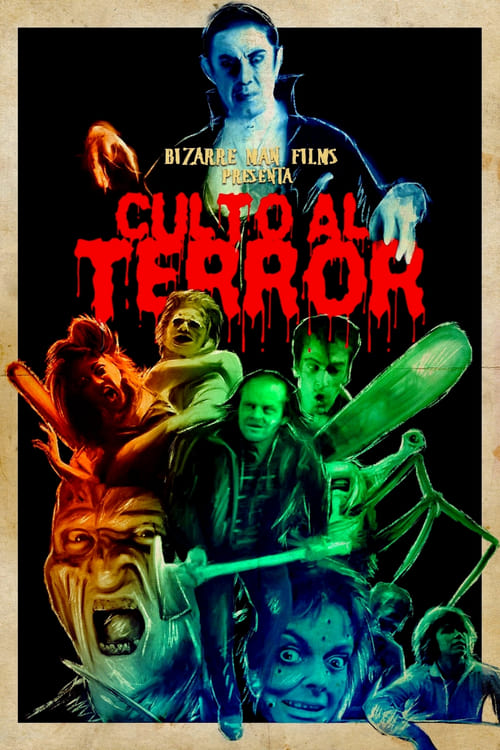
Cult of Terror dismantles traditional cinematic hierarchies by focusing on a global community of horror enthusiasts. Its strength lies in its international perspective, which shifts the focus from Anglo-centric film history to a transnational spiritual community. However, the film's emphasis remains on the horror genre itself rather than explicit identity-based narratives. While the documentary format allows for diverse voices to emerge naturally, it does not explicitly center gender or LGBTQ+ dynamics as core themes. Ultimately, the work explores how niche subcultures foster diverse connections, shifting the lens from industry standards to the collective identity of global cinephiles.
Category Breakdown
The film showcases diverse identities through its focus on niche subcultures. While it doesn't center on explicit LGBTQ+ narratives, the documentary format allows for the natural emergence of various identities.
By featuring global genre specialists and fans, the film challenges the expectation of a singular, male-dominated voice in film history. It highlights a broad range of perspectives that go beyond traditional male dominance in film criticism.
The documentary's journey through numerous countries suggests significant racial and ethnic diversity. This international approach reduces the focus on Western cinematic dominance, emphasizing the perspectives of global filmmakers and fans.
The film emphasizes a specialized, non-traditional community that transcends mainstream Western cultural norms. It highlights a shared passion that goes beyond national boundaries, reflecting a globalized and less nationalist worldview.
There is no specific evidence regarding the portrayal of disability. The narrative focuses primarily on the psychological and communal aspects of film fandom.
Present on Screen
Limited or Absent
Official Synopsis
A journey of years through many countries and film festivals; a nostalgic, adrenaline-fueled and rock-spirited immersion into the universe of cinephilia, in search of genre specialists, fans and filmmakers who speak of their shared passion for fantastic cinema; a whole international spiritual community united under the cathartic shadow of horror.
2004
2019

2016

2018

2020
2009
2017

2018
No reviews yet. Be the first to share your thoughts on this movie!
Use the rating form above to leave a star rating and optional review.