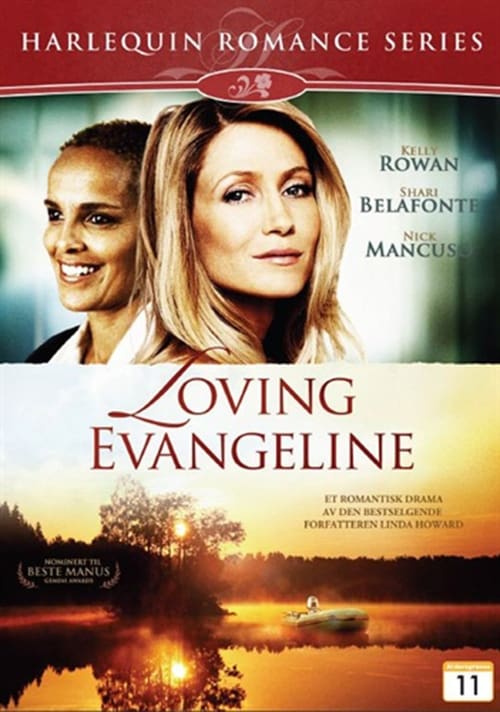
Loving Evangeline
1995
No user ratings available yet
Representation score: 2.5 out of 10

Representation Score
Limited
1998
GDirector
Timothy Bond
Runtime
91 minutes
Average Rating
No ratings yetNew Showbiz Analysis
Diamond Girl is a product of late-90s television clichés, prioritizing a standard romantic melodrama over social complexity. The plot relies on a predictable triangle of jealousy and emotional manipulation within a family vineyard setting. The film lacks depth in its exploration of diverse identities, sticking to traditional romantic themes and Western family structures.
Category Breakdown
The film centers on a conventional romantic triangle between Claire, Denny, and Regan, focusing on jealousy and emotional entanglements without exploring queer identities.
Claire tries to influence the male lead through a calculated pact, but the story remains rooted in traditional romantic melodrama and standard gender roles.
The narrative focuses on a family vineyard and interpersonal romance, adhering to the era's standard demographic norms without diverse casting.
The setting emphasizes traditional Western structures of property and family legacy. The plot operates within conventional romantic drama boundaries without critiquing these institutions.
There are no visible or invisible disabilities portrayed in the narrative. No characters with disabilities are used as plot devices.
Present on Screen
Limited or Absent
Official Synopsis
Denny Montana never looks at Claire. She has been working for him for four years and fallen in love at a distance. When Denny's brother Regan returns to oversee the sale of the family vineyard, Claire and Reganen makes pact. To make Denny jealous and lure him away from his girlfriend's bad influence. But what Claire and Regan did not take into account was how difficult it can be to control their own emotions.
1995

1991

2002

1991

1988

1999

1995

1998
No reviews yet. Be the first to share your thoughts on this movie!
Use the rating form above to leave a star rating and optional review.