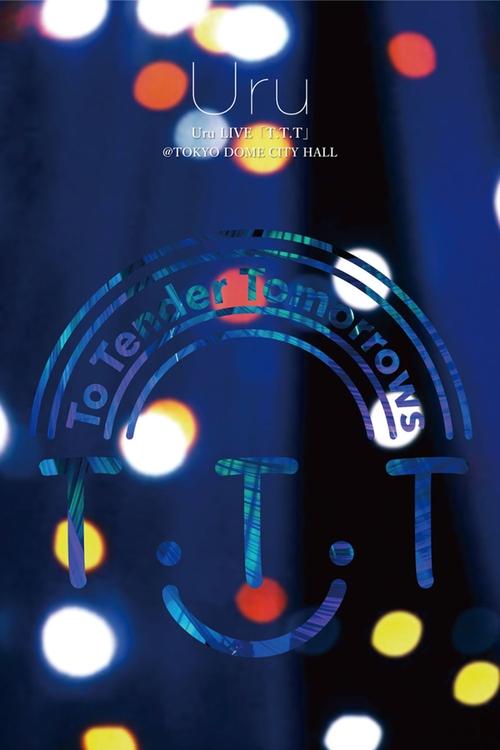
Uru Live - T.T.T at Tokyo Dome City Hall
2019
No user ratings available yet
Representation score: 7.2 out of 10

Representation Score
Good
2011
Average Rating
No ratings yetNew Showbiz Analysis
This concert film serves as a showcase of digital synthesis rather than a narrative work. It replaces traditional character's ability to drive the story with the aesthetic presentation of a software-based entity, creating a post-human experience. The production disrupts conventional performance norms by using digital avatars, allowing for a fluid interpretation of identity and challenging biological hierarchies without explicit scripted dialogue. While the medium offers unique perspectives on identity and accessibility, the lack of diverse casting and character development keeps the overall score moderate.
Category Breakdown
The performance includes a post-human character that challenges traditional gender norms. While the character's design allows for various interpretations of identity, there is no explicit discussion of romantic relationships or identity, which limits deeper LGBTQ+ representation.
The film focuses on a female-coded digital entity that operates outside traditional biological femininity. The character's ability to drive the story comes from the creators rather than gendered hierarchies, and it does not have specific narrative arcs that explore power dynamics.
The event reflects a localized Japanese cultural phenomenon with a largely homogeneous visual presentation. There is no evidence of significant racial blending within the digital performance itself.
The film emphasizes a techno-centric, post-modern expression over traditional religious or family structures. It celebrates synthetic art and a digital-communal experience that challenges conventional definitions of human creativity.
There are no explicit portrayals of disabilities in the footage. However, the Vocaloid medium offers a post-physical mode of existence that is not limited by human sensory or physical constraints.
Present on Screen
Limited or Absent
Official Synopsis
"Mikupa Live in Sapporo" Held in Sapporo, Japan, the birthplace of Hatsune Miku on the 16th & 17th of August 2011
2019

2010

2020

2007
2022

2012
2015

2021
No reviews yet. Be the first to share your thoughts on this movie!
Use the rating form above to leave a star rating and optional review.