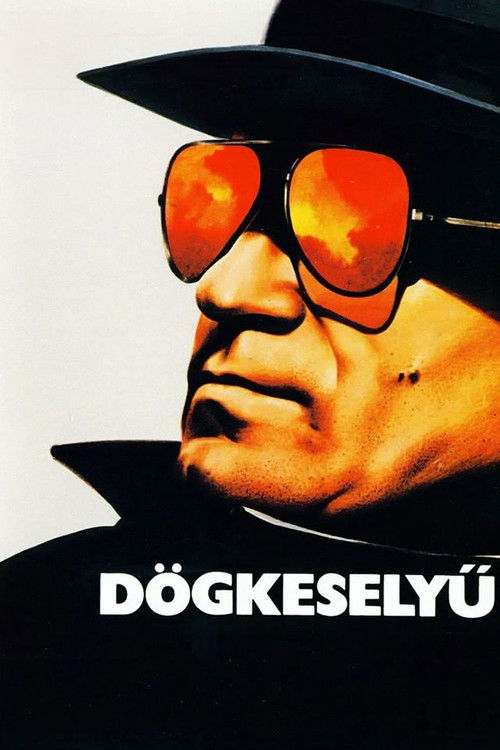
The Vulture
1982
No user ratings available yet
Diversity score: 4.1 out of 10
1972
PGDirector
Frans Weisz
Runtime
105 minutes
Average Rating
No ratings yetSynopsis
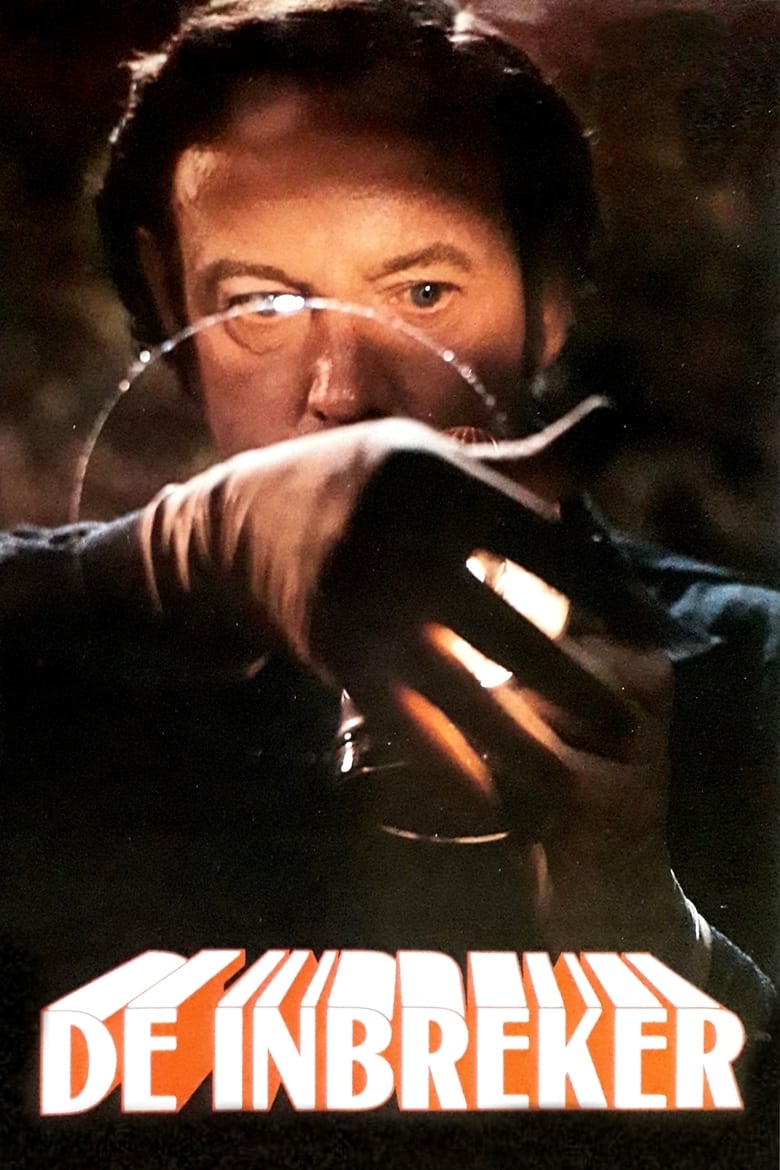
Burgler and master safe-cracker Glimmie is asked to find a young woman called Fanny by her rich stepfather Van Borsen. However, Glimmie remains suspicious of the man and decides that Fanny has to be protected by him and his pal 'De Bonk'. He is soon proved correct and winds up a scapegoat in Van Borsen's scheme. After his release from prison, Glimmie plans his revenge with some help from a young cleaning girl called Slofje.
Overall Score
Limited
Category Breakdown
LGBTQ+ Representation
The film operates within a traditional heteronormative framework. There is no evidence of LGBTQ+ characters or non-cisnormative identities present in the narrative.
Gender Representation
The story centers on male protagonists, with female characters primarily serving as catalysts for the male lead's development. However, the deceptive stepfather disrupts traditional patriarchal archetypes.
Racial & Ethnic Diversity
Reflecting its 1972 European setting, the film appears to feature a relatively homogeneous cast. No evidence exists of non-white majority casting or racial metaphors.
Religious & Cultural Diversity
The narrative explores socioeconomic marginalization by framing wealthy figures as predatory. It offers moral relativism by viewing criminal survival through the lens of personal justice.
Disability Representation
There is no evidence of characters with visible or invisible disabilities. No such characters appear to be used as plot devices within the story.
Strengths
Areas for Improvement
AI Analysis
The Burglar is a character study that prioritizes existential themes and individual agency over systemic demographic representation. It focuses on the isolation of the individual against social dysfunction. While the film lacks intersectional complexity, it finds progressive value in its skepticism toward traditional authority. The narrative reframes established social hierarchies as corrupt rather than stable. Ultimately, the film adheres to the demographic norms of its era and geographic context, favoring character-driven European auteurism over modern identity-focused storytelling.
No reviews yet. Be the first to share your thoughts on this movie!
Use the rating form above to leave a star rating and optional review.