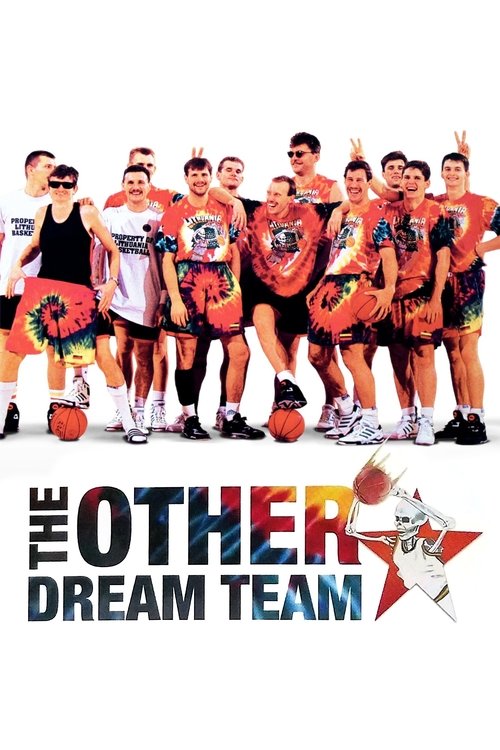
The Other Dream Team
2012
No user ratings available yet
Representation score: 4.5 out of 10
Representation Score
Limited
2006
Director
Colin K. Gray, Megan Raney Aarons
Runtime
90 minutes
Average Rating
No ratings yetNew Showbiz Analysis
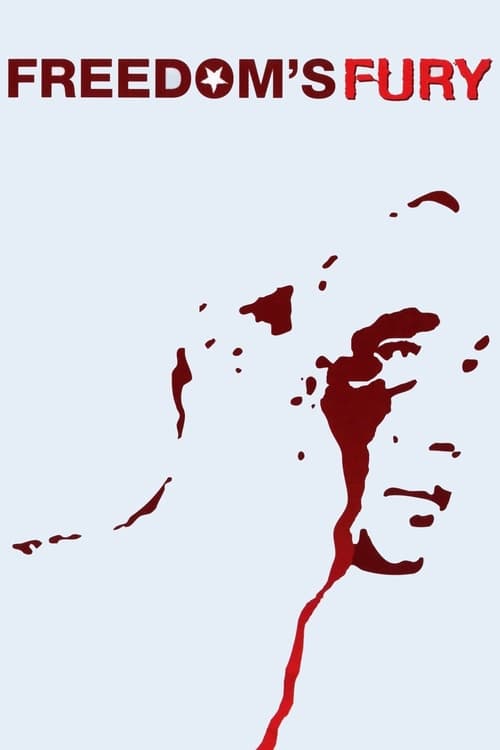
Freedom's Fury serves as a detailed historical account centered on the 1956 Olympics and the Hungarian Revolution. The narrative is shaped by the historical realities of the time rather than contemporary social commentary. Given the focus on a male-dominated sport and Cold War politics, the representation adheres to traditional gender norms and lacks perspectives that reflect multiple aspects of identity. Despite this, the film offers significant insights into national identity and ethnic struggles during a pivotal moment in history.
Category Breakdown
The film centers on a male-dominated athletic competition during the Cold War era. It does not include any characters with LGBTQ+ identities or non-traditional gender expressions.
The story is driven by male athletes and political figures, emphasizing a male-centric sport. It does not highlight female perspectives or challenge traditional gender roles.
The cast primarily features actors representing Eastern European and Slavic backgrounds, reflecting the historical context of the 1956 Olympics. The film emphasizes national identity over diverse ethnic representation.
The film portrays a struggle for national sovereignty against an oppressive system. It focuses on the historical context of the Hungarian Revolution rather than exploring cultural or religious diversity.
There is no indication of the portrayal of individuals with visible or invisible disabilities within the historical context of the film.
Present on Screen
Limited or Absent
Official Synopsis
A documentary on the 1956 Olympic semifinal water polo match between Hungary and Russia. Held in Australia, the match occurred as Russian forces were in Budapest, stomping out a popular revolt.
2012

2017
2016
2014

2026

2016

2006
2012
No reviews yet. Be the first to share your thoughts on this movie!
Use the rating form above to leave a star rating and optional review.