Absolute Rest
2015
No user ratings available yet
Representation score: 5.9 out of 10
Representation Score
Fair
2018
Director
Behrooz Shoeibi
Runtime
90 minutes
Average Rating
No ratings yetNew Showbiz Analysis
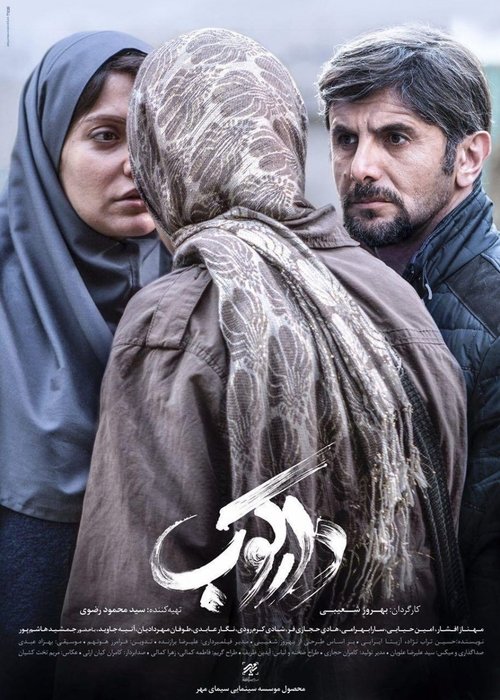
Woodpecker is a character-driven drama that emphasizes psychological realism over conventional social archetypes. By focusing on Mahsa, a woman dealing with the consequences of substance abuse, the film challenges the idealized role of the mother and the sanctity of the traditional family unit. The film excels in its refusal to adhere to a restorative morality, instead highlighting the tension between past and present domesticities. It uses the protagonist's personal instability to explore complex human frailty. While the film lacks LGBTQ+ representation and focuses on a traditional domestic framework, it provides a sophisticated critique of social expectations through its nuanced portrayal of addiction and maternal reclamation.
Category Breakdown
The film does not include any LGBTQ+ characters or stories. The main conflict revolves around a former marriage and a new relationship.
The story focuses on a female protagonist who plays a significant role in driving the plot through her struggles with addiction. It breaks away from the idealized image of a perfect woman by showing a flawed, non-traditional woman.
The film presents a localized, non-Western perspective that diverges from Anglo-centric storytelling norms. It offers a culturally specific viewpoint within its regional cinematic tradition.
The story examines the gray areas of addiction and systemic failures rather than presenting a clear moral hierarchy. It questions the strict social expectations placed on women within traditional institutions.
Addiction is portrayed as a central, defining psychological condition rather than a simple moral failing. This approach gives the protagonist a significant role in driving the story through her lived experience of addiction.
Present on Screen
Limited or Absent
Official Synopsis
The story of an addicted woman Mahsa who thinks that her girl is dead but when finds out that she is alive and lives by her father (Mahsa's ex-husband) decides to take her back. This put her to face her ex-husband and his new wife.
2015

2016
2015

2018
2011
1995

2008
2020
No reviews yet. Be the first to share your thoughts on this movie!
Use the rating form above to leave a star rating and optional review.