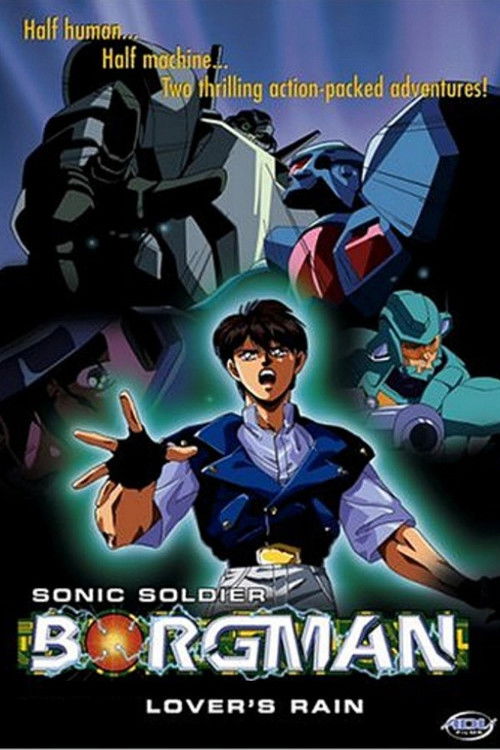
Sonic Soldier Borgman: Lover's Rain
1990
No user ratings available yet
Representation score: 4.6 out of 10
Representation Score
Limited
1994
TV-Y7Director
Bob Richardson
Runtime
300 minutes
Average Rating
No ratings yetNew Showbiz Analysis
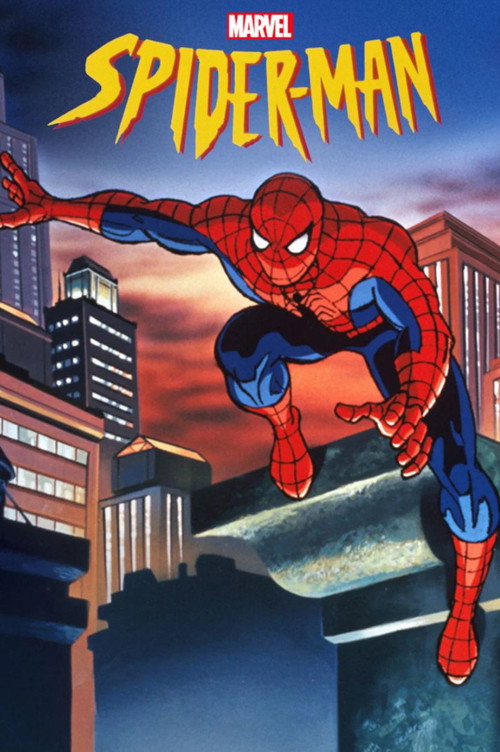
Spider-Man (1994) presents a traditional superhero narrative centered on a white male protagonist. Representation is limited by the era’s conventions, with a predominantly white cast and conventional gender roles. However, the inclusion of a Black actor for a major villain and the positive portrayal of family duty provide some nuance. The film does not challenge traditional hierarchies but offers a clear, morally grounded story.
Category Breakdown
No openly LGBTQ+ characters appear in this 1994 animated series. All romantic pairings, including Peter Parker and Mary Jane Watson, are strictly heterosexual. The show predates mainstream same-sex representation in superhero media.
Peter Parker drives the plot as the primary decision-maker and hero. Mary Jane Watson serves as a supportive love interest who reacts to his choices rather than leading action sequences. Gender dynamics follow traditional male-hero conventions of the era.
The main cast is predominantly white, reflecting the source material’s demographics. Roscoe Lee Browne voices Kingpin, providing a prominent Black character with narrative depth. Other supporting roles feature limited racial variety, with no interracial couples shown.
The series emphasizes personal responsibility and familial duty, portraying Aunt May as a stable moral authority. Wealth is not framed as inherently corrupt, and Peter’s financial struggles are treated as personal stress rather than systemic failure. Traditional values of integrity and sacrifice are presented positively.
No characters with physical or mental disabilities appear as central figures. Minor injuries or temporary conditions may occur during action scenes, but they function as plot mechanics rather than portraying disability as a lived identity or ongoing condition.
Present on Screen
Limited or Absent
Official Synopsis
A young man with spider-like abilities fights crime as a superhero in New York City while trying to lead a normal life.
1990

1988
1992
2005
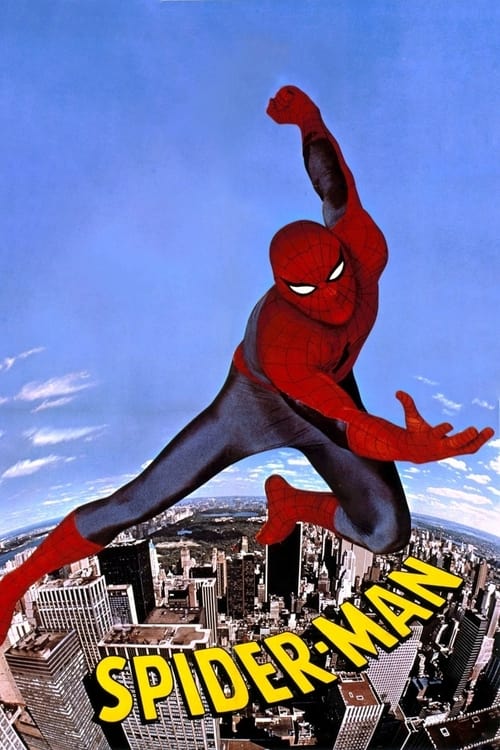
1977
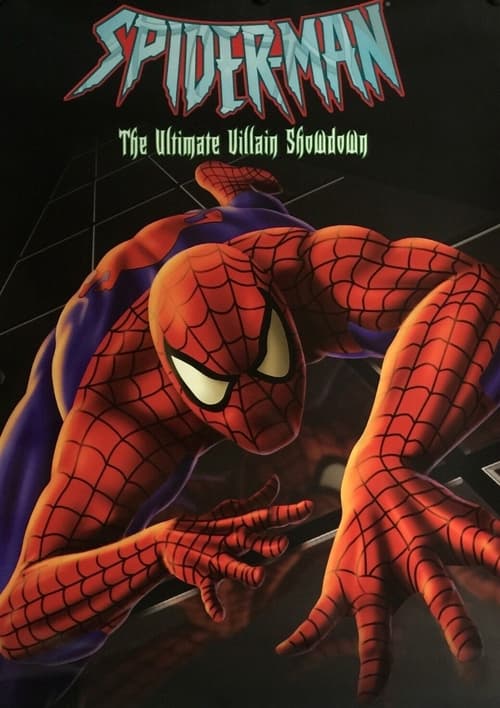
2002
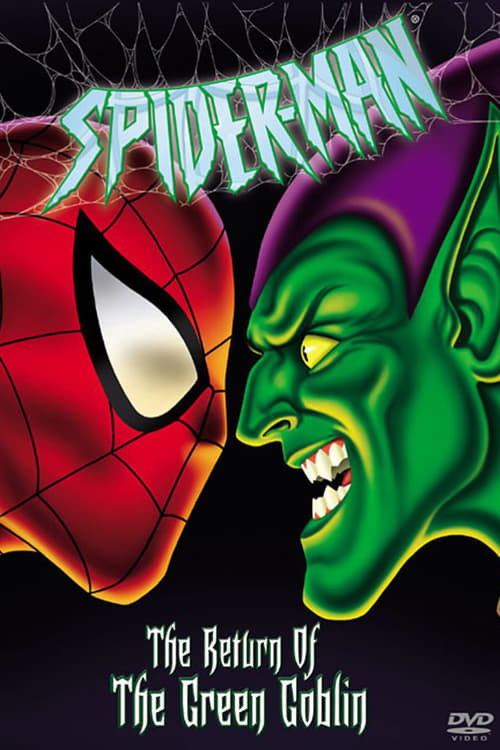
2002
No reviews yet. Be the first to share your thoughts on this movie!
Use the rating form above to leave a star rating and optional review.