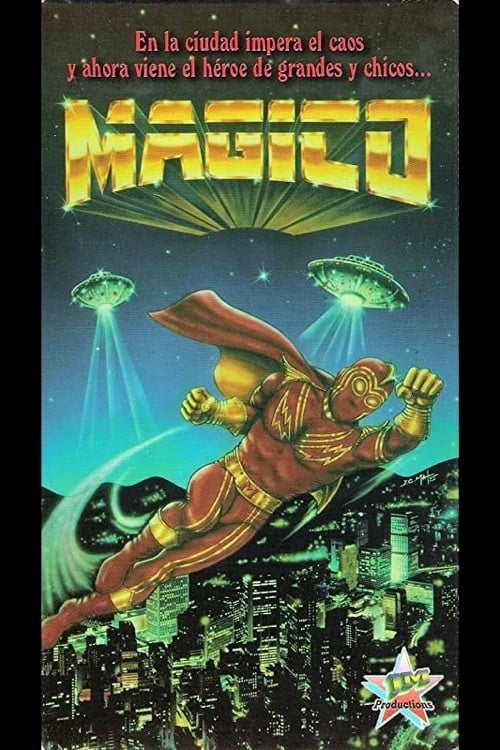
Magico: The Messenger of the Gods
1990
No user ratings available yet
Representation score: 1.8 out of 10
Representation Score
Limited
1979
Director
Kunt Tulgar
Runtime
69 minutes
Average Rating
No ratings yetNew Showbiz Analysis
This film is a localized genre piece that relies heavily on traditional archetypes and regional norms. While it provides a Turkish cultural alternative to the superhero genre, it does so through conventional heroism rather than progressive representation. The narrative emphasizes traditional masculine leadership and social norms, lacking the intention to challenge established hierarchies or provide nuanced character development. Ultimately, the film serves as a period-specific exploitation film that mirrors the demographic and social expectations of 1979 Turkey without seeking to disrupt them.
Category Breakdown
The film does not include any representations of LGBTQ+ identities or same-sex relationships, sticking to traditional heterosexual norms.
Male characters dominate the story through traditional leadership roles, reinforcing the standard gender hierarchies of the era.
The film focuses on a Turkish cast, offering a non-Western perspective, but it does not blend multiple cultures or represent diverse identities.
The narrative follows a conventional morality play structure, emphasizing heroism and justice, but it does not explore deeper systemic critiques or deconstruction of Western institutions.
There is no discernible evidence regarding the portrayal of physical or neurodivergent characters in the film.
Present on Screen
Limited or Absent
Official Synopsis
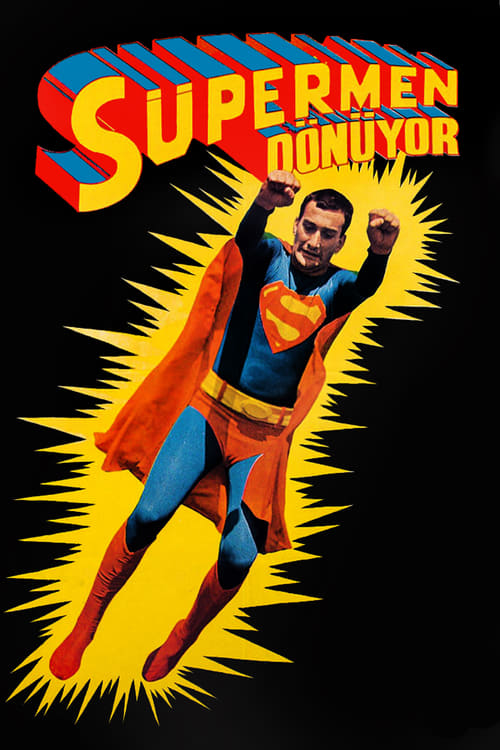
Born out of a Christmas ornaments-filled heaven, Turkish Superman fights the mob in order to save the day!
1990
1984
1979
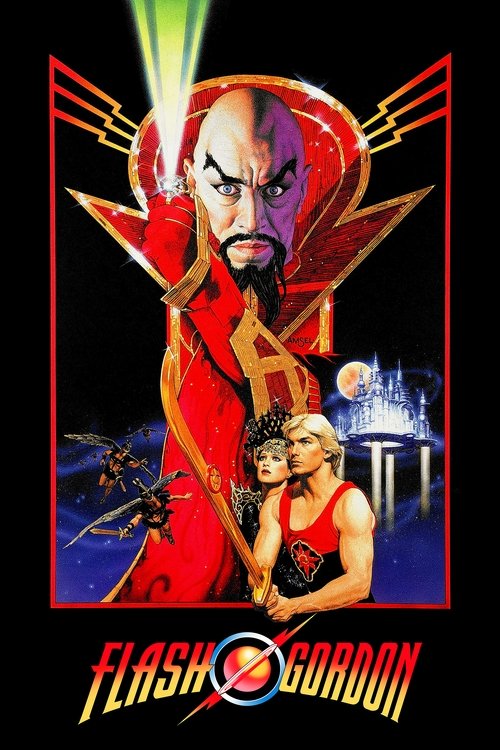
1980
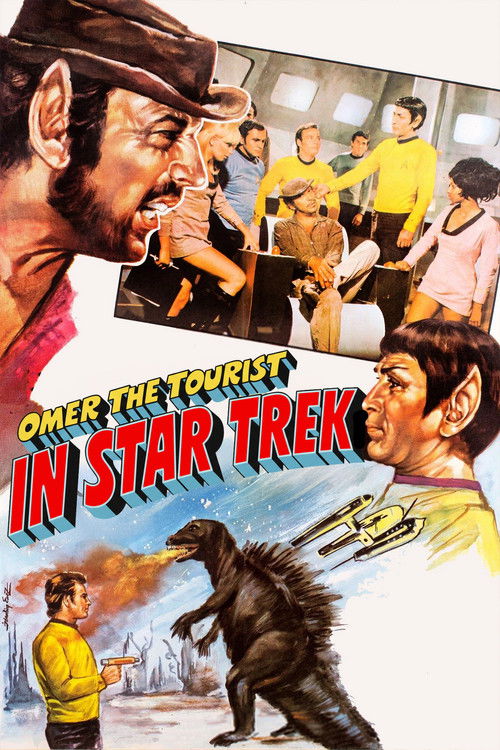
1973
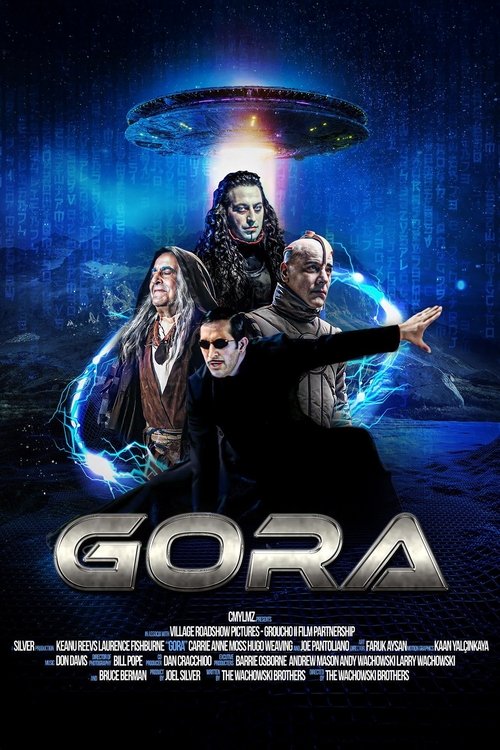
2004

1982
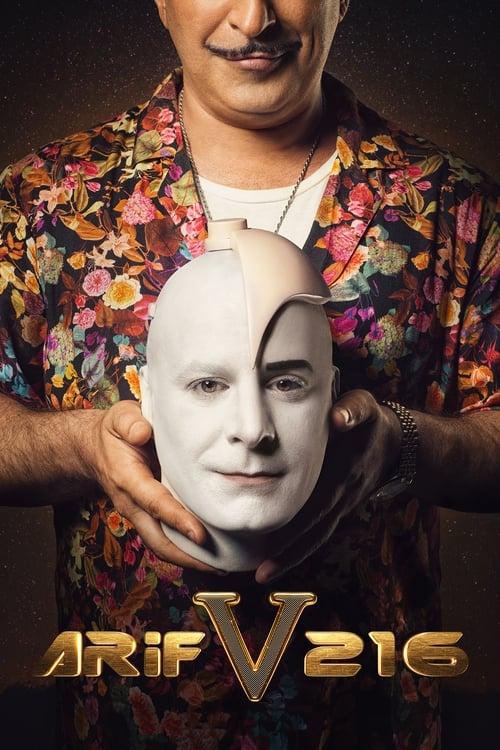
2018
No reviews yet. Be the first to share your thoughts on this movie!
Use the rating form above to leave a star rating and optional review.