
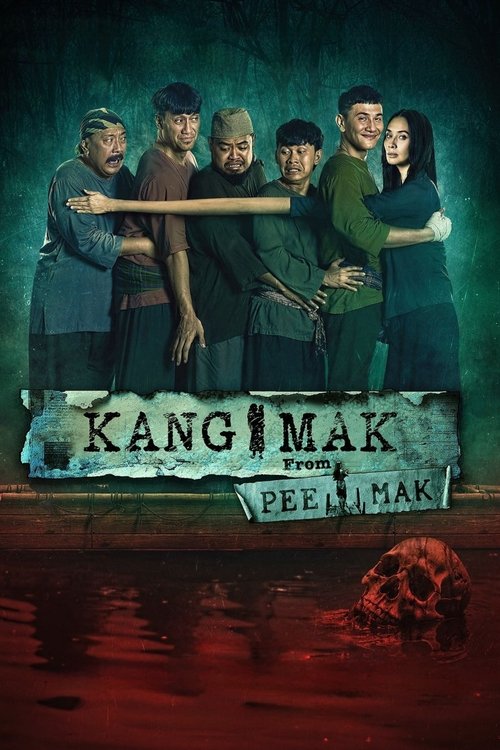
Pee Mak
2013
No user ratings available yet
Representation score: 3.5 out of 10
Representation Score
Fair
2024
TV-14Director
Herwin Novianto
Runtime
123 minutes
Average Rating
No ratings yetNew Showbiz Analysis
Pee Mak's Indonesian adaptation successfully localizes a known narrative into a specific Southeast Asian context. Its main strength lies in its ethnic specificity and engagement with regional spiritualism, providing an alternative to Western cinematic norms. However, the film adheres closely to traditional romantic and gendered structures. The central relationship follows a conventional path, and the narrative lacks explicit LGBTQ+ representation or diverse disability inclusion. Overall, the film stands as a meaningful example of regional storytelling that prioritizes local folklore over globalized clichés, even while maintaining standard genre archetypes.
Category Breakdown
The story focuses on a traditional romantic bond between a soldier and his wife. There are no queer narratives or non-cisgender identities in the plot.
The plot centers on a traditional husband-wife relationship. However, the wife's transformation into a ghost adds supernatural elements that complicate her traditional role.
This Indonesian adaptation of a Thai property enhances the ethnic diversity. The predominantly Indonesian cast offers strong Southeast Asian representation in a globalized genre.
The film emphasizes regional folklore and spiritual beliefs rather than Western morals. It uses local belief systems involving ghosts and demons to shape its narrative.
The film does not include any characters with physical or neurodivergent disabilities.
Present on Screen
Limited or Absent
Official Synopsis
Returning home with his friends, a soldier reunites with his wife, not knowing she's become a ghost. But her death's not the end of their love story.
2013
1991
1999
2008

2024
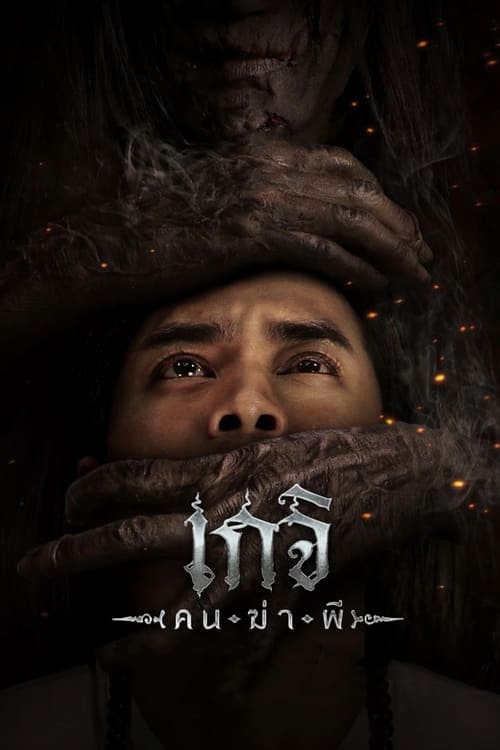
2024
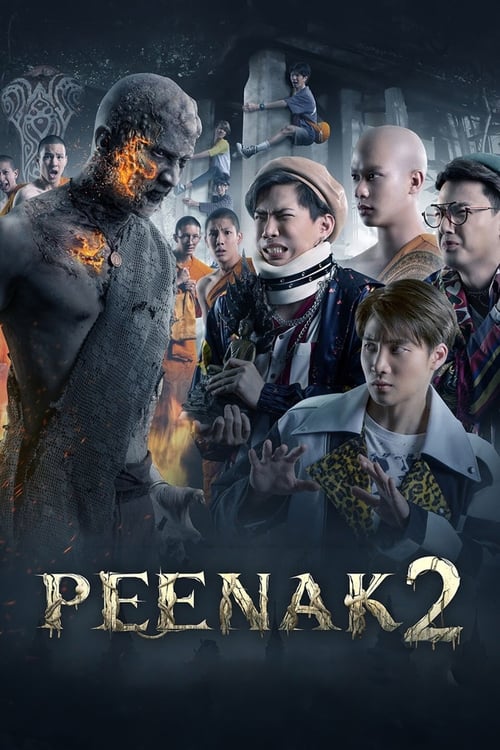
2020
No reviews yet. Be the first to share your thoughts on this movie!
Use the rating form above to leave a star rating and optional review.