
Pumpkinhead: Ashes to Ashes
2006
No user ratings available yet
Representation score: 1.2 out of 10
Representation Score
Minimal
2013
RDirector
Gary Jones
Runtime
90 minutes
Average Rating
No ratings yetNew Showbiz Analysis
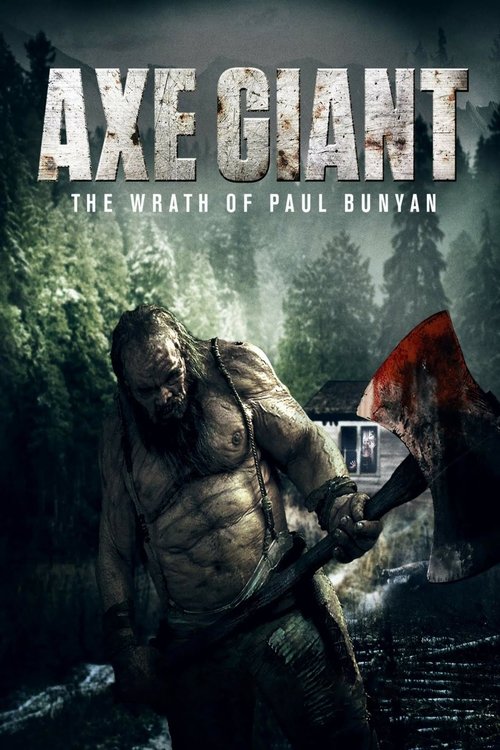
Axe Giant: The Wrath of Paul Bunyan is a conventional creature feature that prioritizes genre clichés over social commentary. The film operates within a standard, non-challenging framework, focusing on the physical threat of a supernatural entity rather than diverse perspectives. The production lacks intentionality regarding multiple aspects of identity. It relies on established horror archetypes and a homogeneous cast, reinforcing traditional cinematic boundaries rather than challenging them. Ultimately, the film functions as a straightforward survival horror piece. It does not seek to disrupt social hierarchies or incorporate varied cultural or identity-based narratives.
Category Breakdown
The film does not include any LGBTQ+ characters. It follows traditional genre structures without exploring non-straight relationships.
The character roles follow traditional horror archetypes where women have limited influence compared to male characters.
The cast appears relatively uniform, typical of small-town settings. There is no indication of diverse casting or storytelling that reflects multiple aspects of identity.
The narrative focuses on folklore and survival without engaging in deeper social critiques. It avoids exploring moral relativism or deconstructing social power dynamics.
Characters are defined by their ability to survive and fight rather than by any disabilities. There is no portrayal of characters with disabilities taking control or acting on their own terms.
Present on Screen
Limited or Absent
Official Synopsis
Kids at a first-time offenders' boot camp discover the legend of lumberjack Paul Bunyan is real, but is much more horrifying than they could have imagined. They incur the wrath of the 15-foot monstrous giant, who was banished from town 100 years ago and thought dead.
2006
1988
2012

2010
2015

1990
2010
1993
No reviews yet. Be the first to share your thoughts on this movie!
Use the rating form above to leave a star rating and optional review.