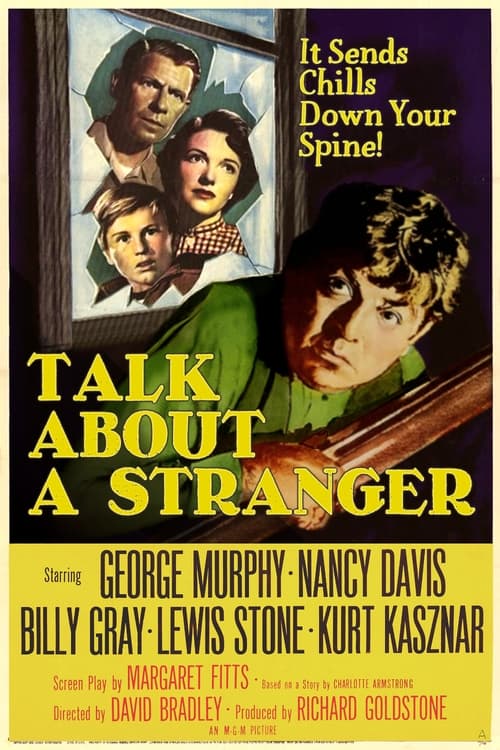
Talk About a Stranger
1952
No user ratings available yet
Representation score: 3.9 out of 10
Representation Score
Minimal
1978
Director
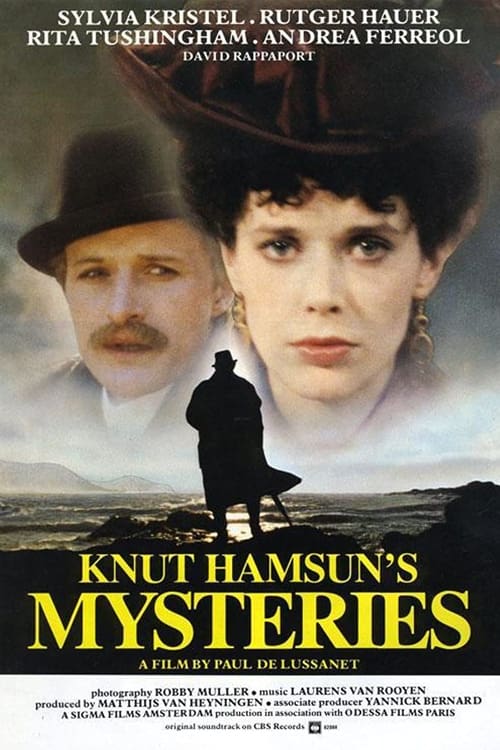
Paul de Lussanet
Runtime
97 minutes
Average Rating
No ratings yetNew Showbiz Analysis
Mysteries is a conventional period drama that adheres closely to the social and demographic norms of its 1891 setting. The narrative focuses on local social disruption through a romantic lens rather than exploring systemic identity issues. The film relies on established clichés, such as the arrival of a stranger to disrupt a small town, reinforcing traditional hierarchies. There is little evidence of challenging the era's standard gender or racial compositions. Ultimately, the work serves as a typical historical mystery reflecting the homogeneous Western landscape of its time period.
Category Breakdown
The film does not include any characters with non-straight sexual orientations or same-sex relationships. The plot revolves around a traditional romantic storyline involving a stranger and a beautiful daughter.
Gender roles in the film adhere to typical 19th-century conventions. Although a woman is central to the plot, she is portrayed primarily as a beautiful daughter rather than a character with significant influence.
Set in 1891 on the Isle of Man, the story likely reflects the demographic uniformity of the era. There is no indication of a racially diverse cast.
The narrative centers on a community shaped by religious institutions, particularly a parson. It upholds a traditional, faith-based social structure common in period dramas.
The synopsis does not mention any characters with visible or invisible disabilities.
Present on Screen
Limited or Absent
Official Synopsis
In the winter of 1891 a stranger arrives in a small coastal town on the Isle of Man. His presence soon disturbs the lives of the local inhabitants, especially the beautiful daughter of the parson.
1952

1983

1985

2018

2015
1982

1947

1974
No reviews yet. Be the first to share your thoughts on this movie!
Use the rating form above to leave a star rating and optional review.