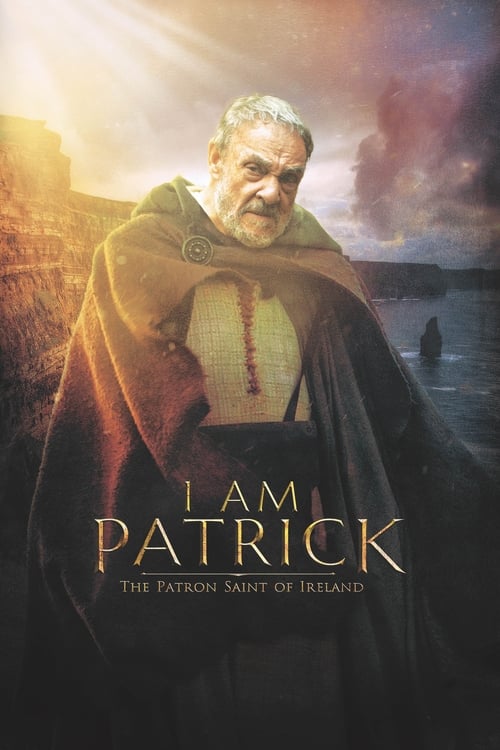
I Am Patrick: The Patron Saint of Ireland
2020
No user ratings available yet
Representation score: 2.9 out of 10
Representation Score
Good
2018
Director
Raitis Ābele, Lauris Ābele
Runtime
100 minutes
Average Rating
No ratings yetNew Showbiz Analysis
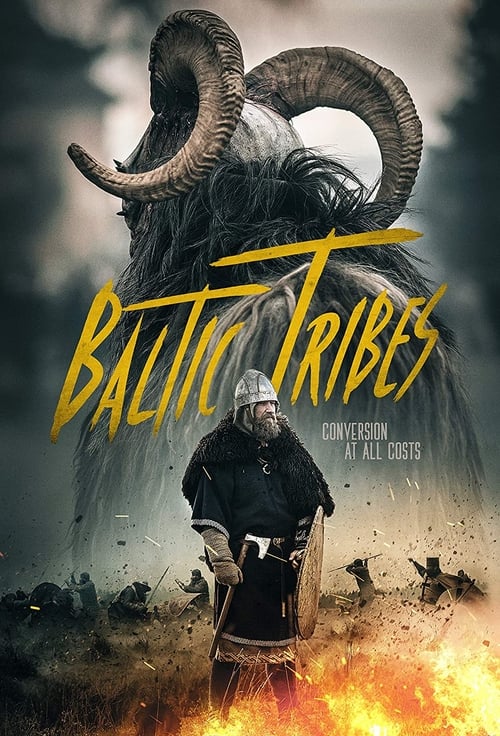
Baltic Tribes offers a restorative historical narrative that challenges dominant Western perspectives. By centering indigenous Baltic customs and paganism, it provides a platform for underrepresented ethnic histories often overlooked in mainstream historical epics. The film's strength lies in its cultural subversion, presenting the crusaders as an invasive force and validating the complex social structures of pre-Christian Europe. However, the film lacks contemporary identity politics. There is no evidence of LGBTQ+ representation or specific focus on disability, as the docudrama prioritizes ethnographic textures and tribal conflict.
Category Breakdown
The film does not show non-straight relationships or intimate moments between people of the same sex. Instead, it focuses on tribal rituals and conflicts. This score reflects the absence of visible LGBTQ+ representation in the historical context.
The story centers around tribal structures and the tension between indigenous peoples and crusaders. While there are no confirmed female character arcs, the depiction of pagan rituals suggests a shift away from typical medieval Christian gender roles.
The film stands out by highlighting non-Anglo-Saxon, indigenous Baltic identities. By focusing on the last pagans of Europe, it challenges traditional Eurocentric views. The Couronians and other tribes are portrayed as central figures.
The film emphasizes pre-Christian pagan spirituality over established Western religions. Crusaders are shown as an opposing force to authentic Baltic cultural traditions. This creates a moral framework that questions Western expansion.
There is no information about the portrayal of physical or neurodivergent disabilities in the film.
Present on Screen
Limited or Absent
Official Synopsis
DocuDrama about 13th century pre-Christian culture. Danish spy Lars enters the tribal lands of the Baltic peoples, where he takes part in religious rites, cruel forays, gets high during the Summer Solstice, becomes slave to the Couronians and even fights the crusaders. Who were the last pagans of Europe and how did they live? It is a unique trip into the textures of the past and into the unknown lands of the Baltic Tribes.
2020

2017
2019

2010

2009

2018

2017
2018
No reviews yet. Be the first to share your thoughts on this movie!
Use the rating form above to leave a star rating and optional review.