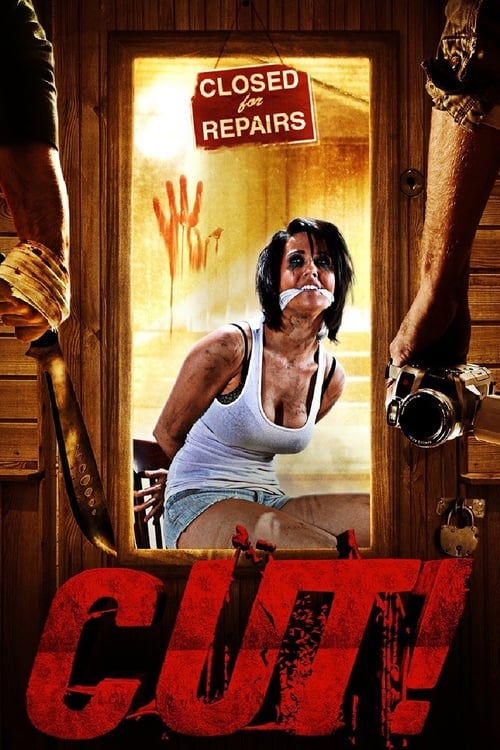
Cut!
2014
No user ratings available yet
Representation score: 0.5 out of 10
Representation Score
Fair
2014
Not RatedDirector
B. Harrison Smith
Runtime
90 minutes
Average Rating
No ratings yetNew Showbiz Analysis
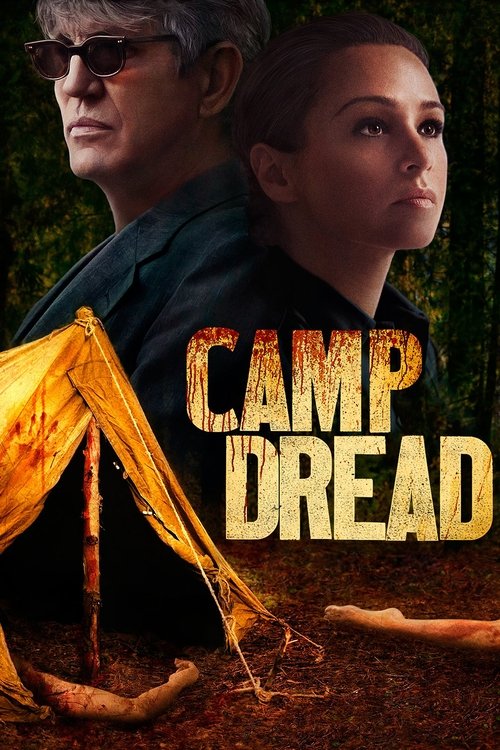
Camp Dread is a conventional genre piece that emphasizes slasher clichés and visceral tension over social commentary. While it avoids whitewashing through a multiracial ensemble, it lacks the intention to challenge social hierarchies. The film prioritizes suspense and genre satisfaction over exploring complex identities or progressive social issues. Characters are defined more by their roles in the plot than by their identities.
Category Breakdown
The film does not include any visible LGBTQ+ characters or narratives. The focus is on survivalist interactions among the ensemble, with no attention given to gender identity or sexual orientation.
Female characters play significant roles in the survival scenarios but the film relies on traditional gender stereotypes and typical cinematic representations of masculinity and femininity.
The ensemble includes actors of various races, including Black, White, and Hispanic. While this avoids whitewashing, the characters are defined primarily by their survival roles rather than by deep, layered identities.
The narrative focuses on immediate physical threats and does not critique Western institutions or promote specific ideological frameworks. Instead, it emphasizes genre-based individualism.
The film does not feature any characters with visible or invisible disabilities. The plot centers on the physical demands of a survival-horror scenario.
Present on Screen
Limited or Absent
Official Synopsis
The “Summer Camp” horror trilogy was one of the most popular franchises of the 1980s. However, the decade ended and so did director Julian Barrett’s career. Now Barrett plans to resurrect his gory series via a modern reboot patterned after reality filmmaking. With his former leading lady and an eclectic group of 10 young “contestants,” Barrett returns to the same locale where his old splatter-fests were filmed. When one of the campers is found savagely murdered, they realize there’s more at stake than just fame and fortune. Each of them is in a fight for their lives as they realize summer is over – forever.
2014
2002
2004
2017
2012
2005
2018
2016
No reviews yet. Be the first to share your thoughts on this movie!
Use the rating form above to leave a star rating and optional review.