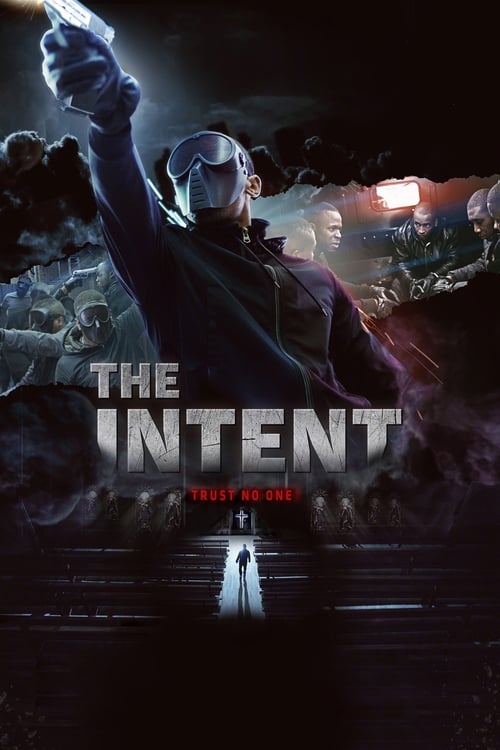
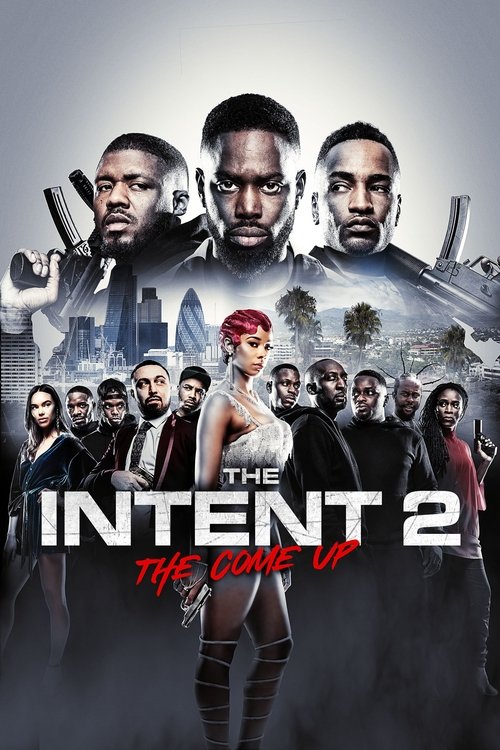
The Intent
2016
No user ratings available yet
Representation score: 4.0 out of 10
Representation Score
Fair
2018
Director
Nicky SlimTing Walker, Femi Oyeniran
Runtime
103 minutes
Average Rating
No ratings yetNew Showbiz Analysis
The film excels at centering Black British experiences and exploring the complexities of diaspora through its UK and Jamaican settings. It provides a localized perspective on systemic socioeconomic barriers and institutional tension. However, the representation is limited by a lack of LGBTQ+ and disability visibility. While it features strong female authority figures, the gender dynamics still largely revolve around male-driven narratives. Overall, the work succeeds as a culturally specific crime drama that challenges Anglo-centric norms, even if it adheres to traditional gendered and heterosexual clichés.
Category Breakdown
The film does not include explicit LGBTQ+ characters or non-binary identities. The romantic relationship between Jay and Selene follows typical heterosexual structures.
Selene plays a significant role in driving the story, although the narrative remains male-dominated. Beverly, a tough boss, showcases female authority.
The story highlights Black British identity through Yardie culture and socioeconomic struggles. It moves between the UK and Jamaica, exploring transnational and diaspora connections.
The plot looks at systemic issues and the conflict between community survival and state authority. It critiques traditional economic mobility through the lens of organized crime.
There is no visible or mentioned representation of physical or neurodivergent disabilities in the provided narrative details.
Present on Screen
Limited or Absent
Official Synopsis
Before the T.I.C and the Clappers crew were formed, the members worked for a ruthless Yardie boss, Beverly. One of the boys, Jay has ambitions to set up on his own. He has no money, his car keeps getting towed away, every move he makes to get money and lift himself out of the everyday struggle is unsuccessful. Inspired by his high-flying girlfriend, Selene, he sets about laying the foundations for his own organised crime ring. Things are going seemingly well until he is arrested and Beverley discovers his hidden ambition. An ill-fated robbery after a stint in jail and a trip to Jamaica tears the crew apart. All their actions are being monitored by an undercover police officer who goes by the street name ‘Gunz’, who has been deployed by the Met Police to ingratiate himself with the crew. With the same grit, humour and action sequences as its’ predecessor, ‘THE COME UP’ promises to follow ‘THE INTENT’ in becoming an instant cult classic but with international reach.
2016
2017
1999
2011
2010
2002
2008
2007
No reviews yet. Be the first to share your thoughts on this movie!
Use the rating form above to leave a star rating and optional review.