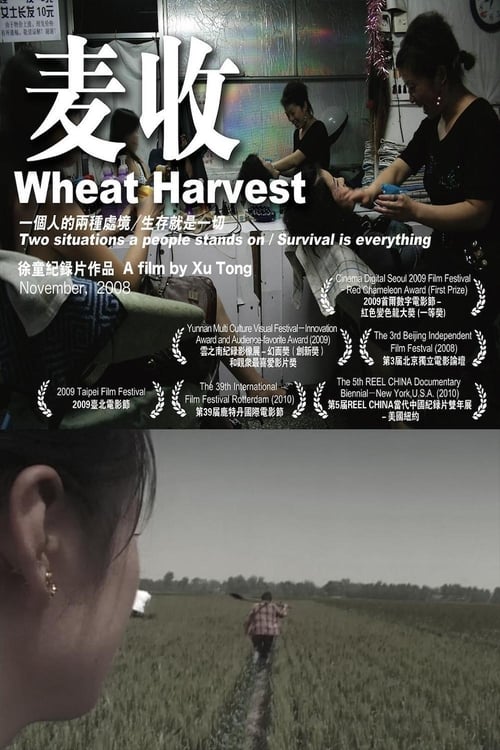
Wheat Harvest
2008
No user ratings available yet
Representation score: 5.7 out of 10
Representation Score
Limited
2005
Director
Gaoming Liu
Runtime
106 minutes
Average Rating
No ratings yetNew Showbiz Analysis
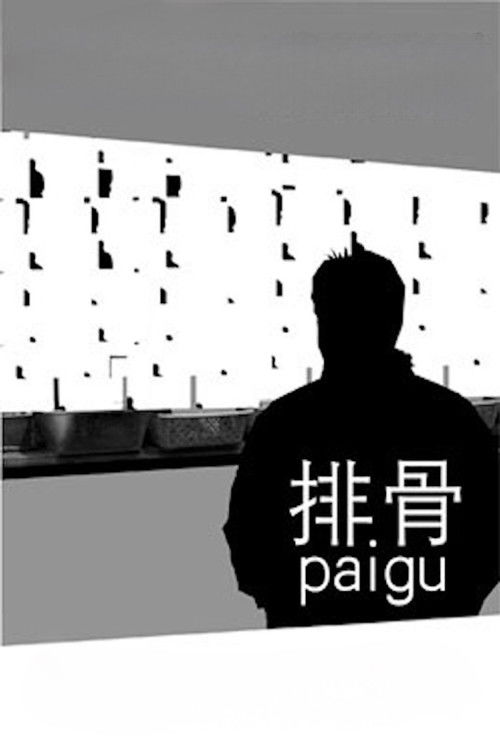
Pai Gu opens on the face of a young man from Jiangxi, his eyes tired behind the glare of Shenzhen’s neon-lit streets, selling bootleg DVDs that promise culture but deliver only profit. Gaoming Liu’s 2005 documentary does not romanticize this labor; it frames Pai Gu’s existence as a transaction where his body is the currency and his home is the debt. The film’s argument is stark: the Chinese economic miracle is built on the invisible, expendable labor of rural migrants who are told to be grateful for the chance to sell "art" they cannot afford to buy. The sold meaning is one of grim endurance. Pai Gu is not a hero or a victim, but a function—a pair of hands moving discs from box to hand. The camera lingers on his physical exhaustion, the cramped spaces he inhabits, and the hollow smiles of customers who treat him as a vending machine. This is not a story of empowerment; it is a portrait of erasure. The "artistic films" he sells are a cruel irony: he mediates culture for others while his own identity is flattened into a labor unit. The ending offers no redemption, only the continuation of the cycle. Pai Gu remains in Shenzhen, his future as uncertain as the next sale. The film’s moral verdict is that the system does not care about the individual; it only cares about the flow of goods. By refusing to provide a happy ending or a political solution, Liu forces the viewer to sit with the discomfort of a world where human worth is measured in units sold. The last image is not one of triumph, but of a man standing alone in a crowd, his face a mask of survival, the city’s noise drowning out his voice. It is a documentary that dares to look at the cost of progress without flinching, leaving the audience with the weight of what is unseen.
Category Breakdown
No queer characters or intimacy appear. The narrative stays strictly heteronormative and asexual, focusing solely on Pai Gu’s daily labor without identity markers.
Pai Gu’s physical labor defines his existence. No female characters are centered or given voice, treating male economic survival as the sole metric of value while ignoring domestic dynamics.
The film centers a Han Chinese migrant from Jiangxi navigating Shenzhen. It depicts intra-national ethnic mobility and class struggle without exoticizing the subject, though it lacks broader international representation.
The documentary critiques the gap between rural origins and urban capitalism. It portrays pirated DVDs as hollow commodities and frames family separation as a necessary cost of economic survival.
No characters with physical, sensory, or cognitive disabilities are depicted. Pai Gu’s exhaustion is tied to labor, not impairment, and no disability is framed as a social or identity issue.
Present on Screen
Limited or Absent
Official Synopsis
Documentary following Pai Gu, a junior high school graduate from Jiangxi Province. He sells pirated DVDs of "artistic films" in Shenzhen to make a living.
2008
1969

2001
2004
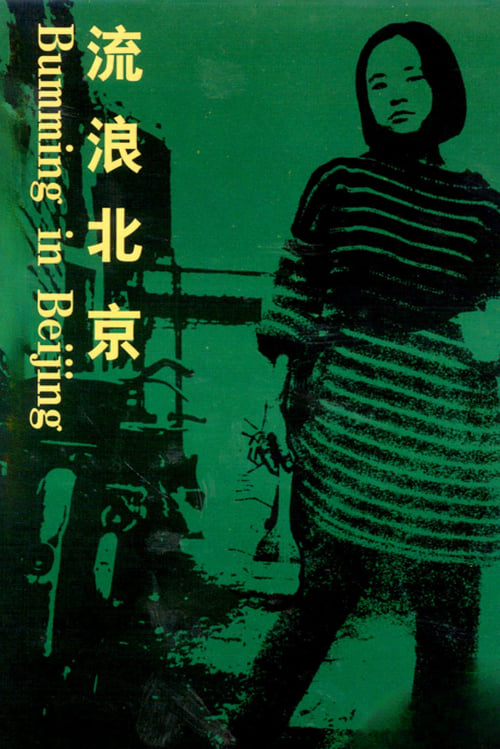
1990

2014
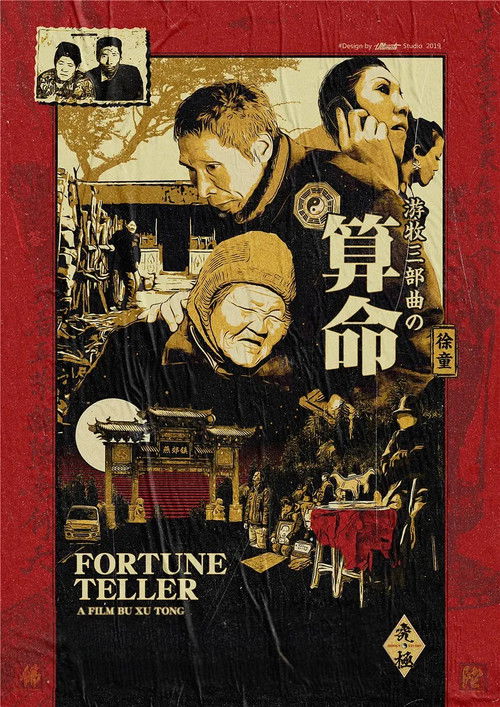
2010

2017
No reviews yet. Be the first to share your thoughts on this movie!
Use the rating form above to leave a star rating and optional review.