Drishyam 2
2021
No user ratings available yet
Representation score: 2.4 out of 10
Representation Score
Limited
2016
Not RatedDirector
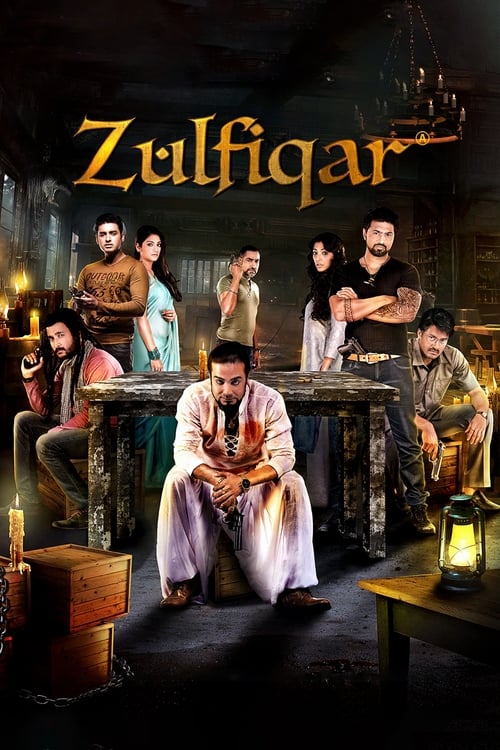
Srijit Mukherji
Runtime
140 minutes
Average Rating
No ratings yetNew Showbiz Analysis
Zulfiqar succeeds as a sophisticated exercise in cultural recontextualization. By adapting Shakespearean tragedies into a localized Bengali setting, it challenges Western-centric narrative ownership and provides a deep, authentic exploration of regional identity. However, the film remains socially conservative in its interpersonal depictions. The narrative structure is built upon traditional gender hierarchies and masculine-driven political conflict, offering little space for diverse identities or non-traditional gender perspectives. Ultimately, the film's progressive merit lies in its systemic critique. It uses a postmodern lens to deconstruct established political institutions, framing the breakdown of social order as a complex response to corruption.
Category Breakdown
The film focuses on masculine political strategies and traditional power structures. It lacks representations of non-traditional gender identities and does not challenge the assumption that everyone is straight or cisgender.
The narrative emphasizes male-dominated political conspiracies. Female characters mostly play supporting or domestic roles, reinforcing traditional hierarchies by centering political control within the male sphere.
The production achieves high marks for cultural authenticity by transplanting Shakespearean frameworks into 1970s West Bengal. This avoids the whitewashing common in Western adaptations of classical texts.
The film engages with moral relativism by framing political assassination as a tool for systemic change. It critiques concentrated power and portrays institutions as inherently corrupt.
There is no significant evidence regarding the portrayal of physical or neurodivergent disabilities within the narrative.
Present on Screen
Limited or Absent
Official Synopsis
A modern day adaptation of two of William Shakespeare's tragedies - Julius Caesar and Antony and Cleopatra.
2021
2016

2018
2003
2022

2005

2020
2019
No reviews yet. Be the first to share your thoughts on this movie!
Use the rating form above to leave a star rating and optional review.