
Talk Radio
1988
No user ratings available yet
Representation score: 6.8 out of 10
Representation Score
Good
1996
RDirector
Miloš Forman
Runtime
130 minutes
Average Rating
No ratings yetNew Showbiz Analysis
Miloš Forman’s drama is a powerful critique of institutional authority and the subjective nature of morality. It effectively deconstructs how religious and state powers attempt to enforce social decency through systemic oppression. However, the film's scope is narrow, remaining heavily centered on a male-dominated legal and media landscape. It offers limited exploration of the way different parts of someone's identity overlap regarding race or LGBTQ+ identities. Ultimately, the film is a study of civil liberties and the tension between the individual and the state. Its strength lies in its philosophical defiance rather than its breadth of human representation.
Category Breakdown
The film centers on heterosexual relationships and the protagonist's media empire, without prominently featuring queer characters or narratives that challenge assumptions about straight relationships.
It disrupts traditional domestic scenarios by showing a volatile, unconventional marriage. However, the story remains male-focused, with women often serving as catalysts for the protagonist's problems rather than driving the plot themselves.
The film portrays a specific socioeconomic environment of late 20th-century America. The central conflict lacks significant the way different parts of someone's identity overlap related to race or ethnicity, focusing instead on the legal and media circles involved.
The film excels at critiquing Western institutions and religious morality. It frames 'decency' as a subjective concept used by the state to exert systemic oppression, emphasizing secularism and individual freedom.
Mental health and addiction are explored through the protagonist and his partner. These elements highlight a chaotic lifestyle but do not deeply explore disability through independent ability to act.
Present on Screen
Limited or Absent
Official Synopsis
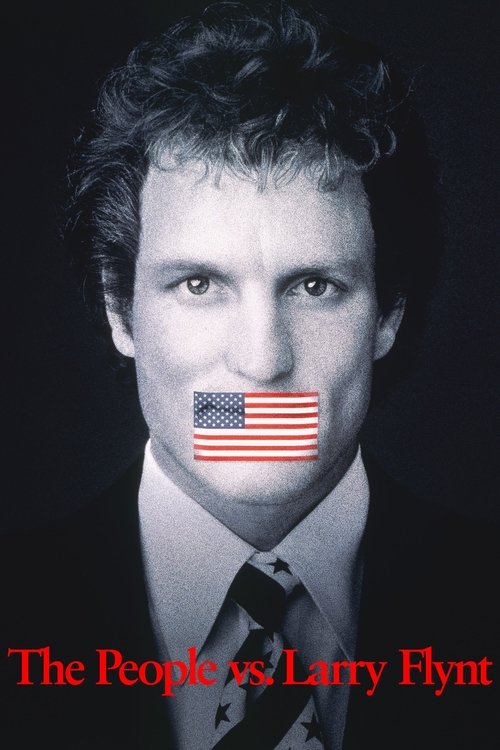
Larry Flynt is the hedonistically obnoxious, but indomitable, publisher of Hustler magazine. The film recounts his struggle to make an honest living publishing his girlie magazine and how it changes into a battle to protect the freedom of speech for all people.
1988
1974
2015
1987

1999

1976
1975
1996
No reviews yet. Be the first to share your thoughts on this movie!
Use the rating form above to leave a star rating and optional review.