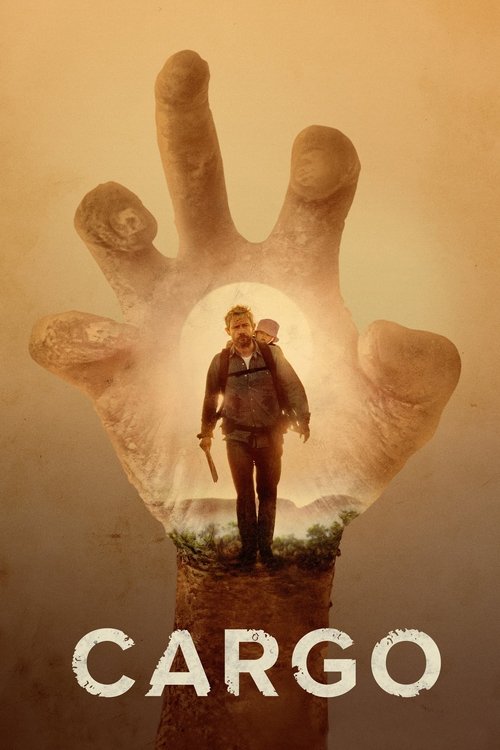
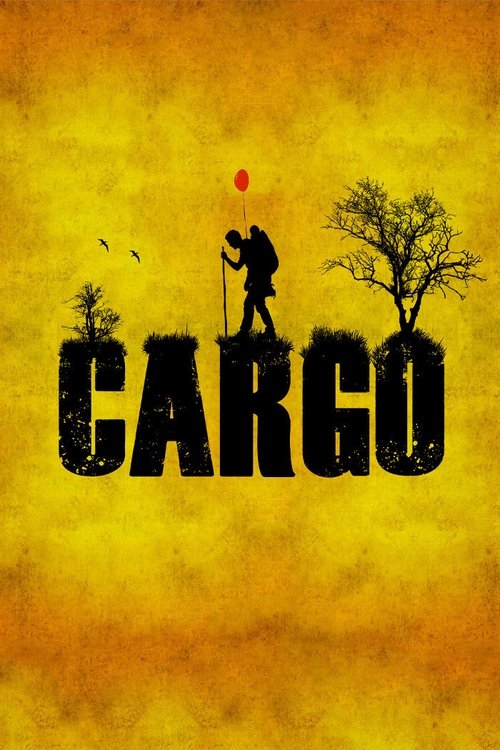
Cargo
2017
No user ratings available yet
Representation score: 3.1 out of 10
Representation Score
Fair
2013
Director
Ben Howling, Yolanda Ramke
Runtime
8 minutes
Average Rating
No ratings yetNew Showbiz Analysis
Cargo introduces an Indigenous Australian protagonist, offering a fresh perspective in the post-apocalyptic genre. This choice helps move away from the homogeneous casting typical of such films. However, the film remains confined by its traditional family structure. The absence of LGBTQ+ characters and the limited roles for female characters restrict the narrative's scope. Overall, the film offers a focused approach to representation, trading broad social diversity for a deep exploration of survival and personal identity.
Category Breakdown
The film does not include LGBTQ+ characters or explore non-straight relationships. The story focuses on a traditional nuclear family structure.
The narrative emphasizes the paternal experience and male characters. Female characters are mostly shown through memories and flashbacks, serving as motivation rather than independent actors.
The film features an Indigenous Australian protagonist, breaking away from Western-centric defaults in the post-apocalyptic genre. This identity is woven into the character's experiences.
The setting downplays religious and capitalist systems, focusing instead on a secular, survivalist morality centered around parental protection.
The infection theme symbolizes progressive physical and cognitive decline. The portrayal highlights the terrifying loss of control over one’s body.
Present on Screen
Limited or Absent
Official Synopsis
Stranded in the midst of a zombie apocalypse, a man sets in motion an unlikely plan to protect the precious cargo he carries: his infant daughter.
2017

2012

2012
2016

2018
2015

2017
2013
No reviews yet. Be the first to share your thoughts on this movie!
Use the rating form above to leave a star rating and optional review.