Find another title
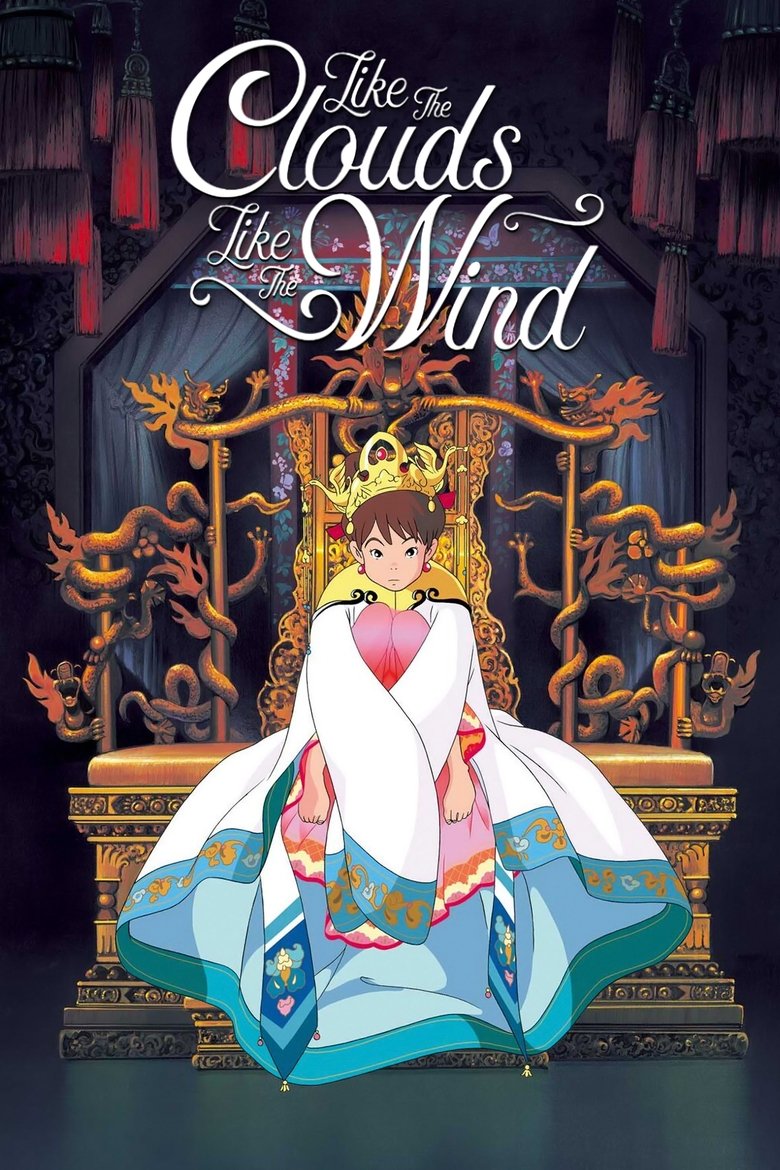
Like the Clouds, Like the Wind
1990
Director
Hisayuki Toriumi
Runtime
79 minutes
Average Rating
No ratings yetSynopsis
Ginga is a simple—yet energetic—country girl, living with her father far from the capital city of the empire in ancient China. When she learns of an opportunity to become a concubine of the young new Emperor, with the possibility of becoming his head wife in charge of all of the other wives, Ginga convinces her father to let her go. Once there, she meets all of the other potential head wives, each of whom have various reasons for being there. All of them must learn to read and write, learn the history of their country, and learn the proper mannerisms for being in the royal court. Ginga's enthusiasm tends to get her in trouble more often than not, but it works to her advantage when they learn that the former emperor's head wife, who is not the mother of the current emperor, is plotting treachery against the new emperor, and that a rebellion is headed toward the capital.
Where to Watch
Diversity & Representation
Overall Score
Fair
Category Breakdown
LGBTQ+ Representation
The story centers on a heteronormative imperial concubinage system. There is no evidence of non-cisnormative identities or same-sex intimacy within the royal court dynamics.
Gender Representation
Ginga provides a strong female lead who actively pursues political power. The film shifts focus from male-dominated warfare to the internal power struggles of a female-centric social ecosystem.
Racial & Ethnic Diversity
Set in ancient China, the film offers a non-Western historical framework. This setting provides a valuable non-Anglo-centric perspective on empire and power.
Religious & Cultural Diversity
The narrative explores systemic corruption and political instability within the monarchy. It uses education and courtly manners to critique how institutional knowledge facilitates social stratification.
Disability Representation
The available information provides no discernible evidence regarding the portrayal of physical or neurodivergent disabilities.
Strengths
- Strong female protagonist who drives the plot through active agency.
- Subverts traditional gender tropes by focusing on female political influence.
- Provides a non-Western, non-Anglo-centric historical perspective.
Areas for Improvement
- Lacks representation of LGBTQ+ identities or non-cisnormative characters.
- Operates within a strictly heteronormative and patriarchal social structure.
- No evidence of disability representation within the character cast.
AI Analysis
The film succeeds in subverting the 'damsel' trope by centering its plot on female agency and political maneuvering. Ginga’s energetic personality allows her to navigate and influence complex power structures rather than remaining a passive observer. However, the narrative remains bound by the traditional constraints of its patriarchal period setting. The focus on a competitive, heteronormative hierarchy limits the scope of identity representation. Ultimately, the work provides a compelling look at female-driven social dynamics within a non-Western historical context, even if it lacks modern intersectional breadth.
Rate this Movie
Reviews
No reviews yet. Be the first to share your thoughts on this movie!
Use the rating form above to leave a star rating and optional review.