Find another title
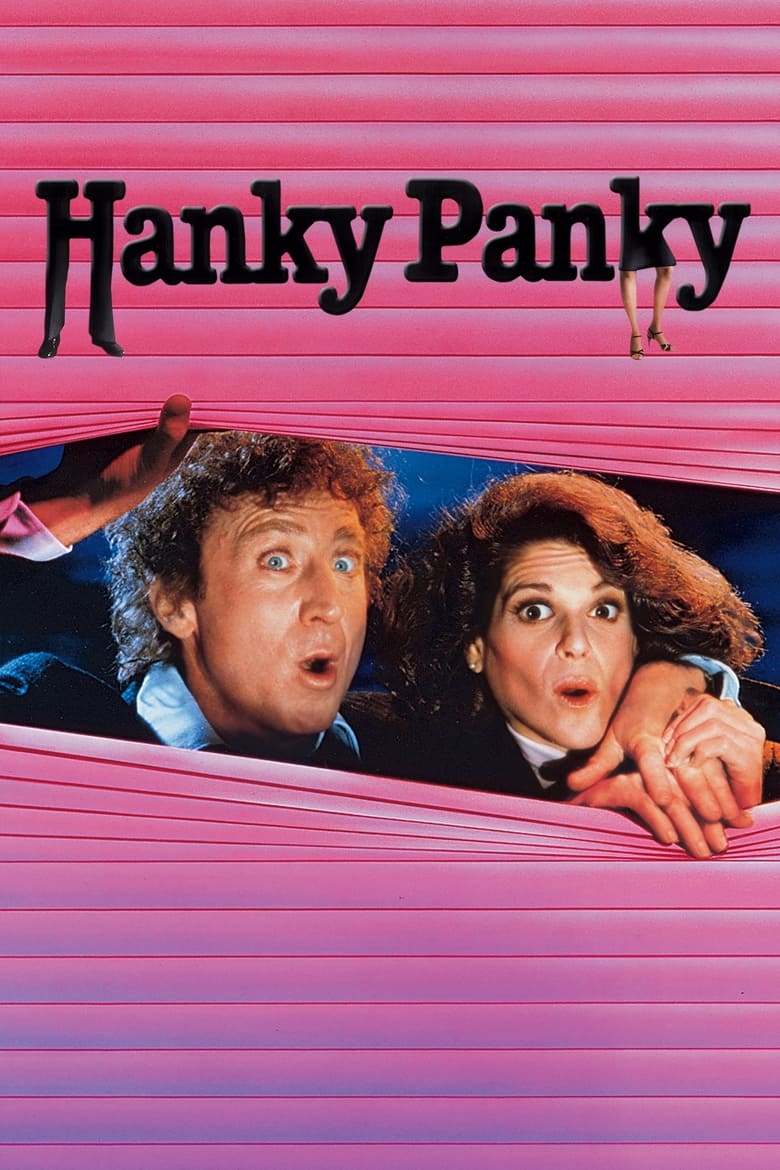
Hanky Panky
1982
PGDirector
Sidney Poitier
Runtime
103 minutes
Average Rating
No ratings yetSynopsis
Naïve Michael Jordon is drawn into a web of government secrets when a girl carrying a mysterious package gets into a taxi with him. When she's later murdered, Michael becomes the chief suspect and goes on the run.
Where to Watch
Diversity & Representation
Overall Score
Limited
Category Breakdown
LGBTQ+ Representation
The film focuses almost exclusively on heteronormative romantic entanglements. There is no evidence of non-cisnormative identities or narratives that critique traditional romantic frameworks.
Gender Representation
The story explores power dynamics through an age-gap relationship. However, it relies on conventional gendered tropes of pursuit and deception rather than subverting gendered leadership.
Racial & Ethnic Diversity
The production features a primarily white cast within a London setting. While Poitier's direction is significant, the on-screen narrative lacks non-white majority casting or intersectional depth.
Religious & Cultural Diversity
The film functions as a standard urban mystery and comedy. It focuses on individualistic romantic complications rather than critiques of Western institutions or specific cultural pillars.
Disability Representation
There is no discernible evidence regarding the inclusion or portrayal of characters with visible or invisible disabilities.
Strengths
- Sidney Poitier's direction introduces a layer of intentionality regarding Black talent within the industry.
Areas for Improvement
- The film relies on traditional heteronormative romantic frameworks.
- The cast is primarily white, lacking racial and ethnic diversity.
- The narrative lacks representation for characters with disabilities.
AI Analysis
Hanky Panky operates as a conventional genre piece, leaning heavily into the mystery and romantic comedy tropes of the early 1980s. The narrative architecture is built around heteronormative dynamics and a homogeneous social setting, offering little disruption to traditional social hierarchies. While Sidney Poitier’s direction provides a notable historical counter-narrative to the era's casting norms, the film's internal content remains anchored in standard commercial structures. It prioritizes romantic misunderstandings over progressive representation or intersectional character development.
Rate this Movie
Reviews
No reviews yet. Be the first to share your thoughts on this movie!
Use the rating form above to leave a star rating and optional review.